If you’ve ever watched a loved one navigate the endless cycle of blood draws, specialist visits, and medication adjustments for a chronic condition—say, type 2 diabetes, hypertension, or chronic kidney disease—you know how overwhelming it can feel. For years, I thought that burden rested entirely on patients and their care teams, until I walked the halls of a small primary care clinic last winter and listened to a nurse practitioner describe the quiet chaos of her caseload. She told me about a 58-year-old patient with type 2 diabetes who showed up every three months for an A1c test, who’d missed two doses of his metformin because he couldn’t afford his next supply, and whose last test revealed his blood sugar had spiked so high he was at risk for nerve damage and kidney issues. “We’re playing catch-up, not preventing,” she said. That moment stuck with me, because it’s why I’ve spent the last decade working in in-vitro diagnostics (IVDs) — not just as a supplier, but as someone who’s seen firsthand how these small, often unassuming tools are the backbone of chronic disease management. In-vitro Diagnostics
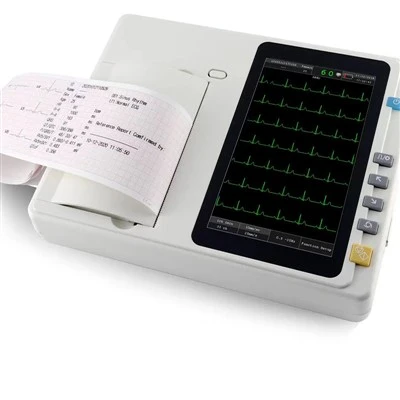
Chronic diseases are the leading cause of death and disability worldwide, according to the World Health Organization, and they account for 74% of all global healthcare costs. For conditions like diabetes, hypertension, and chronic obstructive pulmonary disease (COPD), care isn’t something that happens in a hospital during a crisis; it’s a daily, lifelong practice. That’s where IVDs come in. These are the tests done on samples of blood, urine, or other bodily fluids, right there in clinics, at home, or in small lab settings. The role they play isn’t just to diagnose a condition when symptoms appear—it’s to catch issues early, guide treatment plans, monitor how well those plans are working, and adjust care before a small problem becomes a life-threatening emergency.
Let’s start with early detection, because that’s where chronic disease management begins. Take type 2 diabetes, for example. The Centers for Disease Control and Prevention estimates that 1 in 5 people with diabetes don’t know they have it, and undiagnosed diabetes can lead to kidney failure, blindness, and heart disease before a patient ever has a noticeable symptom. IVD tests like fasting blood glucose and A1c aren’t just for people who feel sick—they’re for routine screenings, for patients with a family history of diabetes, or for anyone with risk factors like being overweight. A few years ago, we worked with a community health center in the rural Midwest that used our point-of-care A1c tests to screen 300 adults during a free health fair. Of those, 12 had elevated A1c levels that led to a referral for further testing, and 4 were diagnosed with diabetes that day—conditions they’d had no idea they had. Early detection doesn’t just improve a patient’s outcome; it cuts healthcare costs, too. A 2022 study in the Journal of the American Medical Association found that diagnosing type 2 diabetes early and starting medication and lifestyle changes within a year of diagnosis reduces 10-year healthcare costs by nearly 20% compared to diagnosing later. That’s the power of IVDs: they turn a silent, progressive disease into something you can track before it’s too late.
Once a patient is diagnosed, IVDs become the compass that guides treatment. No two chronic disease patients are the same, so a one-size-fits-all approach to medication rarely works. For hypertension, for example, there are dozens of different blood pressure medications, and what works for one patient might cause side effects or not lower their blood pressure enough for another. At our company, we make tests that measure specific biomarkers in blood samples—like renin and aldosterone levels—that help doctors figure out why a patient’s blood pressure is high. Is it from the kidneys? From the adrenal glands? That information lets a doctor pick the right medication from the start, instead of a process of trial and error that can take months and put a patient at risk for heart attack or stroke. For patients with COPD, which is a progressive lung disease often caused by smoking, IVD tests can measure levels of a protein called C-reactive protein (CRP) that tells doctors if a patient is having a flare-up. That means instead of waiting for a patient to show up at the emergency room short of breath, a clinic can adjust their inhaler or add a low-dose steroid right at the first sign of inflammation, keeping them out of the hospital.
Monitoring is where IVDs really become part of a patient’s daily life, and that’s something I’ve seen up close with home testing devices. Type 1 diabetes patients have to test their blood sugar multiple times a day, before meals and at night, to make sure their insulin doses are correct. For type 2 patients who use insulin, or even for those on oral medications, regular at-home glucose testing helps them avoid dangerous highs or lows. A few months ago, I spoke to a 62-year-old woman with type 2 diabetes who uses our at-home glucose monitor. She told me that before she had the device, she thought her blood sugar was fine because she didn’t feel sick. “I’d feel tired, and I thought that was just getting older,” she said. Now, she tests it every morning, and when her levels are too high, she adjusts her breakfast—cutting back on pastries, adding more fiber—and checks again. “It’s not just a test,” she said. “It’s something I do for myself every day.” What she doesn’t always realize is that when she shares those test results with her doctor, it helps adjust her overall treatment plan, so care isn’t something that only happens during clinic visits. For chronic kidney disease, which often develops as a complication of diabetes or hypertension, IVD tests measure levels of creatinine and albumin in urine and blood, letting doctors track how well the kidneys are functioning over time. If levels start to rise, they can adjust medications or refer a patient to a nephrologist before kidney function declines to the point of needing dialysis.
But IVDs aren’t just tools for clinicians and patients—they’re the foundation of better healthcare access, especially for people in underserved areas. For decades, chronic disease management required sending samples to a central lab, which could take days to get results. For patients in rural areas, that meant waiting weeks to know if their medication was working, or if their condition was worsening, leading to missed follow-up visits and worse outcomes. Point-of-care IVD tests, which give results in 10 minutes or less, changed that. Last year, we worked with a network of clinics in rural Kenya that use our point-of-care HIV and diabetes tests. Before, patients had to travel three hours to the nearest lab to get tested; now, clinics can run the test on-site, and results are ready the same day. For a farmer with type 2 diabetes, that means he doesn’t have to skip a day of planting to go to a lab, and he can start treatment immediately instead of waiting weeks. That’s not just convenient—it’s life-changing. The World Health Organization has called point-of-care IVDs “a key component of universal health coverage,” because they bring diagnostic power to places that don’t have full labs, reducing health disparities between urban and rural areas.
Of course, I’ve also seen the gaps in how IVDs are used, which is why our company focuses on more than just selling tests. Too often, IVDs are seen as a commodity—something that a clinic buys because it’s cheaper, without considering how it fits into their workflow, or how to train staff to use it correctly. A few years ago, we worked with a small clinic in Appalachia that had bought a cheap point-of-care A1c test but didn’t have anyone trained to run it. The tests were sitting on a shelf, unused, because the clinic staff didn’t know how to process the samples or interpret the results. That’s why we offer more than just tests: we provide training for clinic staff, support to integrate the tests into their electronic health records, and follow-up to make sure they’re actually using the tools to improve patient care. For patients, too, many don’t know how to use at-home IVD devices correctly—like pricking their finger hard enough to get a good blood sample, or storing test strips properly. We partner with patient advocacy groups to host workshops, make simple step-by-step guides in multiple languages, and even offer phone support for patients who have questions about their test results. It’s not enough to sell a test; you have to make sure it’s actually used to help people.
Another thing I’ve learned is that IVDs are evolving quickly, and that’s only going to make chronic disease management more personal and effective. We’re now working on tests that can measure multiple biomarkers at once from a single small sample of blood, so a doctor can check for diabetes, hypertension, and kidney function all in one visit. There are also IVDs that connect directly to patients’ phones, sending test results automatically to their doctor and sending reminders when it’s time to take a medication or get tested. I recently met a teenager with cystic fibrosis who uses a home sweat test to monitor his lung function; the test syncs to his phone, and if his levels are higher than normal, it sends an alert to his mom and his pulmonologist, who can adjust his treatment remotely. That’s the future of chronic disease management: IVDs that are more than just diagnostic tools, they’re part of a continuous, connected care team that meets patients where they are.
Working in IVDs, I’ve had the chance to meet patients, clinicians, and other suppliers who all share the same goal: making chronic disease management less stressful, less costly, and more effective. It’s easy to think of healthcare as being about big surgeries and new drugs, but the quiet, everyday work of IVDs is what keeps millions of people with chronic conditions living full, healthy lives. They’re the reason a doctor can catch a diabetes spike before it leads to a hospital stay, the reason a patient can adjust their medication at home instead of waiting for a clinic appointment, the reason a rural clinic in Kenya can give a patient their test results the same day.
If you’re a clinician looking to improve your chronic disease care, or a practice searching for reliable, easy-to-use diagnostic tools, we’re here to help. We don’t just supply tests—we partner with you to find the right solutions for your patients, from point-of-care screenings to at-home monitoring devices, and provide the support you need to integrate them into your workflow. Connect with our team to learn more about how our IVDs can help you take better care of your chronic disease patients.
Diabetes Healthcare References:
World Health Organization. (2023). Global Status Report on Noncommunicable Diseases.
Centers for Disease Control and Prevention. (2022). National Diabetes Statistics Report.
JAMA Network. (2022). Early Detection and Cost Outcomes in Type 2 Diabetes Management.
World Health Organization. (2021). Point-of-Care Testing for Universal Health Coverage.
Eurosun Technology (Shanghai) Co., Ltd.
As one of the most professional in-vitro diagnostics equipment manufacturers and suppliers in China, we have world-leading production equipment and strong manufacturing capabilities. We warmly welcome you to wholesale high quality in-vitro diagnostics equipment in stock here from our factory.
Address: No.485, Xingmei Road, Minhang District, Shanghai
E-mail: eurosun6661216@163.com
WebSite: https://www.eurosunmedical.com/
