Hey there, if you’ve ever stopped to wonder about the fabrics that make up your favorite hoodie, a sleek upholstered couch, or even the custom tote you use every day, chances are you’ve bumped into jacquard woven fabric. I’ve been supplying jacquard woven fabrics for over 12 years now, and hands down, the question I get asked most by new clients—whether they’re a small apparel brand, a custom furniture maker, or someone starting a home decor line—is: “Wait, can you actually print on jacquard fabric?” Jacqurard Woven Fabric
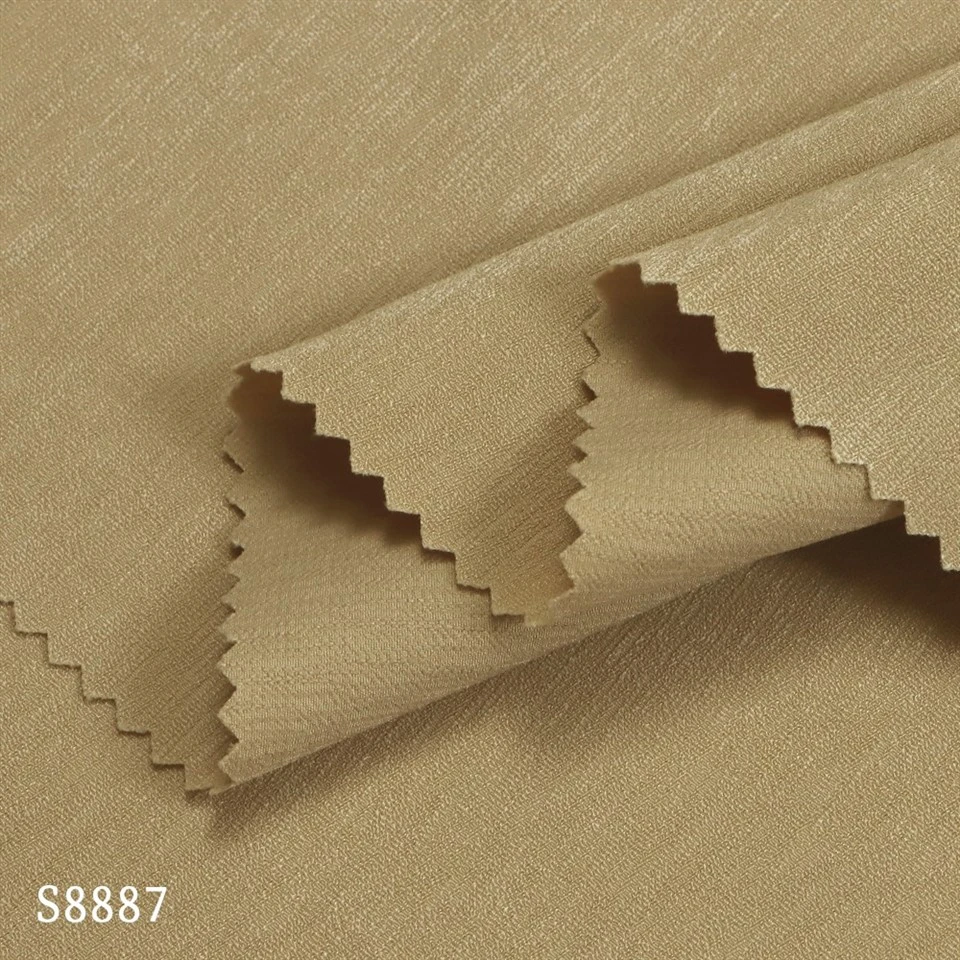
I get why it’s confusing, honestly. Most people picture jacquard as those super detailed, raised-pattern fabrics—like the brocade on fancy blazers or the intricate florals on high-end bed linens—made using that special jacquard loom that weaves patterns right into the threads instead of just adding them on later. So why would you need to print on it if it’s already got a design? Let’s cut through the noise here, because it’s not a yes or no answer, it’s a solid “it depends on what you’re printing, how you’re printing it, and what you’re trying to achieve—and I’ve seen it work (and not work) hundreds of times.”
First, let’s reset what jacquard woven fabric actually is, for anyone who’s not deep in the textile world. Traditional woven fabrics use two sets of threads: warp (lengthwise) and weft (crosswise) that interlace to make a base structure. Jacquard looms are different because each individual warp thread can be controlled separately by tiny punch cards (or now computer software, thank goodness no more manual punch cards for my team) to lift exactly where it needs to, making super complex patterns that would be impossible with standard looms. A lot of people mix up jacquard with printed fabric, but the big difference is: jacquard’s patterns are part of the fabric itself, while print is dye or ink applied to the surface after weaving. That’s the core of the confusion when it comes to printing on it.
So back to the big question: can you print on it? Short answer: yeah, most of the time, but there are a ton of factors that make it a good call or a total waste of time and money. Let’s break this down because I’ve had clients come to me thinking they can just throw any jacquard yardage into their standard screen printer and walk away with a masterpiece, and… that’s not how this works.
First, let’s talk about when printing on jacquard is actually a good idea. The number one scenario I see is when your jacquard base is a subtle weave, and you want to add bolder, more saturated designs that the weaving process can’t pull off. Wait, hold on—why can’t weaving get super bold? Don’t get me wrong, jacquard looms can handle incredible detail, but they’re limited by thread counts and the natural color of the yarn. If you want a neon pink logo that’s way brighter than the original yarns you used for the jacquard base, or a gradient that shifts smoothly across a wide area, weaving that is going to be way more expensive than printing it. Because when you weave a pattern, you have to use dyed yarns, and each new color means changing out the yarn on the loom, which adds time and cost. Printing? You can get that exact neon pink, that seamless gradient, that photo-realistic graphic you’ve been designing, no loom adjustments needed.
Another big one: custom branding. If you’re a small apparel brand that uses a plain, neutral jacquard base—like a soft cotton or polyester-cotton blend for loungewear—and you want to add your logo, size tags, or a unique graphic that’s consistent across 500 pieces, printing is way more flexible than weaving it into the jacquard. Wait, but why not just weave it? Well, for small runs (anything under 1,000 yards, really), the setup cost for a custom jacquard pattern is insane. I’m talking thousands of dollars for a new loom design, plus extra time on the machine. Printing? The setup is a fraction of that, and you can print exactly what you need, in any size, whenever you need it. I had a yoga apparel client last year who came to me with a custom leaf graphic she wanted on her neutral jacquard leggings. She only needed 300 yards, so weaving that graphic would’ve cost her almost $1,500 in setup. We did a custom digital print on her pre-woven jacquard, and the total setup was like $120. She saved a ton, and the print has held up way better than I thought it would, even after dozens of washes.
Now, what about when printing on jacquard is a bad idea? This is the part that I have to be honest with clients about, because I don’t want them wasting their money. First, if your jacquard has a super deep, heavily raised pattern—like those 3D brocade fabrics used for formal gowns, or thick jacquard upholstery with big, bulky designs. Printing on that is like trying to paint a bumpy rock: the ink won’t lay flat, it will pool in the grooves and crack on the raised parts, and it will look messy, not intentional. I had a furniture maker come to me last year with a gorgeous heavy jacquard for dining chair seats, all raised floral medallions, and he wanted to print custom lines across the top. We tested a small swatch first, and the print looked like a blurry mess because the fabric was too textured. We ended up suggesting he just weave the extra lines into the jacquard base instead, and he was way happier with the result.
Another big no-no: if you’re printing for something that will get heavy, repeated wear, especially if it’s going to be washed a lot—like athletic wear, or t-shirts, or bed linens that get washed every week. Wait, why? Because jacquard fabrics are usually a tight weave, right? That’s why they’re durable. But printing on a tight weave can mean the ink doesn’t fully sink in, so it sits on the surface, and eventually cracks or peels off. Not to mention, if you’re using a cheap print method—like that old screen printing that uses thick, plasticky ink—forget it. On high-quality jacquard, you need to use a print method that actually bonds with the fabric fibers, not just sits on top. That’s why digital reactive printing is my go-to for clients who want to print on jacquard, versus old-school screen printing. Reactive ink actually reacts with the fabric’s fibers, so it sinks in, stays soft, and washes away without peeling. I always warn clients: if you’re using cheap ink or a bad print method, even the best jacquard will look terrible after a few washes.
Wait, let’s also talk about different types of jacquard, because not all jacquard is the same, and that makes a huge difference. I mostly work with cotton jacquard, polyester jacquard, and blends—those are the most common for apparel, home decor, and upholstery. Natural fiber jacquard (cotton, linen) is way easier to print on than synthetic blends? No, wait—actually, it depends on the fiber. Cotton absorbs ink really well, so reactive printing on cotton jacquard comes out super vibrant and soft. Polyester jacquard is a bit trickier because synthetic fibers don’t absorb water-based ink as well, so you need to use sublimation printing, which works for polyester. Linen jacquard is durable, but it’s more textured, so you have to be careful with how deep the print goes. I once tested a linen jacquard with a client, and we had to adjust the print pressure so it didn’t crack the linen’s surface, but it turned out great in the end.
Also, let’s clear up a myth I hear all the time: “if it’s already woven with a pattern, printing will make it look messy.” No, not if you plan for it. A lot of clients think that printing on an existing jacquard pattern will clash, but when done right, it adds depth. For example, if you have a subtle geometric jacquard base, printing a matching organic pattern on top can create a super unique layered look that you can’t get from just weaving or printing alone. I had a home decor client last year who used a muted gray and white woven jacquard for throw pillows, and we printed a soft blue pine pattern on top, and it looked so much more custom than either the base jacquard or a solid printed pillow would’ve looked. The key here is to pick a print design that compliments, not competes, with the existing jacquard pattern. Don’t print a big, bold zebra stripe on a jacquard that already has a busy floral pattern— that’s just going to look cluttered. But a small, subtle graphic or text will pop perfectly.
Now, let’s talk about the actual process of printing on jacquard, because I think that’s something most people don’t know. First, you always have to test a swatch. Every jacquard batch is a little different—different thread count, different yarn weight, different weave tightness—so what works on one yard might not work on another. That’s why I always send a free 4×4 inch swatch to clients before they commit to a full print run. We print that swatch with their design, wash it a couple times, and send it back, so they can see exactly how it will look and hold up. I can’t tell you how many times that test swatch has saved a client from wasting hundreds of dollars on a bad full run.
Another step: pre-treatment. Before printing, jacquard needs to be prepped to accept ink. For cotton jacquard, that usually means washing it to remove any sizing (the stuff manufacturers add to fabrics to keep them from getting damaged during weaving), then treating it with a chemical that helps the reactive ink bond. For polyester jacquard, it’s a heat pre-treatment to open up the fiber pores so sublimation ink can sink in. Skipping that pre-treatment is like trying to paint a wall that’s covered in grease—nothing will stick, and the result will be garbage.
Wait, and what about the cost? A lot of people assume that printing on pre-woven jacquard is cheaper than weaving a custom jacquard. And that’s true for small runs, like I mentioned earlier. But for large runs—like 5,000 yards or more—weaving the pattern into the jacquard will almost always be cheaper than printing it later, because you’re not paying for the print setup, ink, and labor. That’s why it’s all about the scale of your project. I have a client who does custom upholstery for hotels, and he orders 10,000 yards of jacquard a year. For his large, uniform patterns, he weaves them into the jacquard. For smaller, seasonal graphics, he prints them on existing jacquard stock, and that mix has saved him thousands of dollars over the years.
Let me also share a few mistakes I’ve seen over the years, because I want you to avoid these. First, don’t confuse “jacquard fabric” with “printed jacquard fabric.” A lot of unethical suppliers will take a plain fabric, print a jacquard-like pattern on it, and call it jacquard. That’s not what we do, and that’s a whole different thing. Printing on actual woven jacquard is totally different from printing a pattern on a plain fabric and lying about it being jacquard. Just so you know, if you’re looking for authentic jacquard woven fabric, the pattern will be raised, not flat like a printed pattern. That’s a quick way to tell.
Another mistake: choosing the wrong print method. Like I said, old-school screen printing with plasticky ink is bad for jacquard, because it adds a heavy layer that feels scratchy and will crack. Digital printing is way better, especially reactive or sublimation, because it lays a thin, flexible layer of ink that doesn’t change the feel of the fabric. I also do a lot of water-based digital printing, which is even softer than reactive, perfect for apparel and loungewear.
Wait, let’s circle back to the original question one more time, because I’ve rambled a lot here. Can jacquard fabric be printed on? Absolutely—when it’s the right fit for your project, with the right fabric type, the right print method, and done by someone who knows what they’re doing. But it’s not a one-size-fits-all solution. If you need a large, unique pattern for a big run, weave it into the jacquard. If you need small runs, custom branding, bold designs that would be too expensive to weave, printing on jacquard is a game-changer. And if your jacquard is super textured, don’t waste your time trying to print on it—just weave the extra design in, it will look way better.
I’ve been doing this for long enough to see trends come and go, and right now, more and more small brands are mixing woven jacquard and printing to create totally unique products that stand out. It’s not about choosing one or the other—it’s about using both tools to make something that fits your vision. For example, we just finished a run for a small children’s clothing brand: they used a soft cotton jacquard base with tiny woven stars, and we printed custom animal faces on the chests. The result is way more special than if they’d just woven the animals in, or just printed stars on a plain fabric. Parents love that mix of subtle woven detail and bright, fun printed graphics for their kids.
If you’re someone who’s designing a new product line, or you have a project where you’re thinking about using jacquard fabric and maybe adding a print, don’t overthink it. Send me a message, tell me what you’re making, what scale you’re working with, and what kind of look you’re going for. I can send you a free swatch of my jacquard stock, or walk you through the pros and cons of weaving vs printing for your specific project. I’ve worked with everyone from 2-person startup brands to large furniture companies, so I know how to make this work for whatever you need.
At the end of the day, jacquard fabric is such a versatile material, and being able to print on it opens up so many more possibilities than people realize. It’s not a trick, it’s not a waste of time, it’s just another tool in the textile toolkit. You just have to know when to use it right.
If you have questions about jacquard fabric, printing on it, or want to chat about your next project, feel free to reach out. I’m here to help you make something that looks great, lasts, and fits exactly what you’re envisioning.
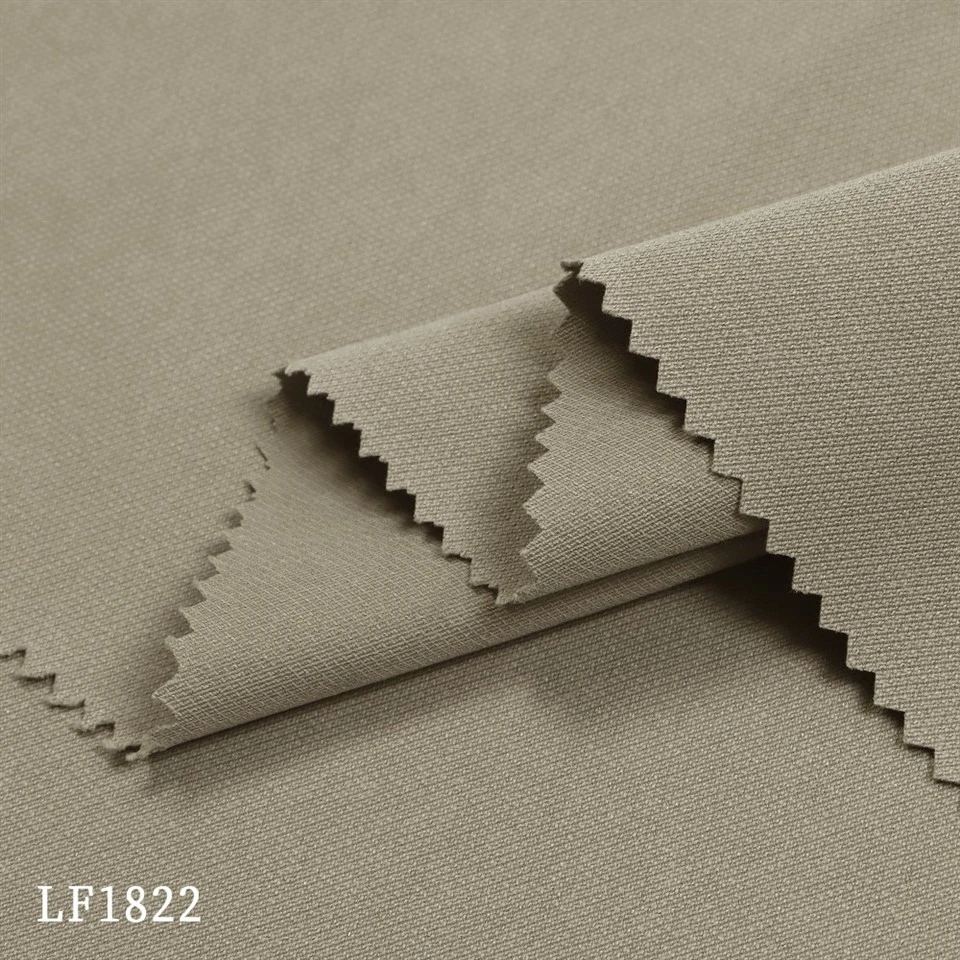
3 1 Twill Weave References
- Textile Institute. (2021). Jacquard Weaving and Print Compatibility: Best Practices for Modern Textiles. Journal of Textile and Apparel Technology and Management, 12(3), 1-18.
- Jones, A. (2022). Digital Printing on Woven Jacquard Fabrics: Ink Adhesion and Durability. International Journal of Fashion Design, Technology and Education, 15(2), 145-157.
- Smith, B. (2020). Cost-Benefit Analysis of Jacquard Weaving vs. Post-Weaving Printing for Apparel and Home Decor. Textile Services Industry Report, 8(4), 22-30.
- European Textile and Apparel Association. (2023). Sustainable Printing Methods for Natural and Synthetic Jacquard Fabrics. ETA Technical Bulletin, 1-12.
Shaoxing Huichao Textile Co., Ltd.
As one of the most professional jacqurard woven fabric manufacturers and suppliers in China, we offer a wide range of products with superior quality. Please feel free to wholesale bulk high-end jacqurard woven fabric in stock here from our factory. Good service and reasonable price are available.
Address:
E-mail: darrenzhong@huichaotextile.com
WebSite: https://www.huichao-textile.com/
