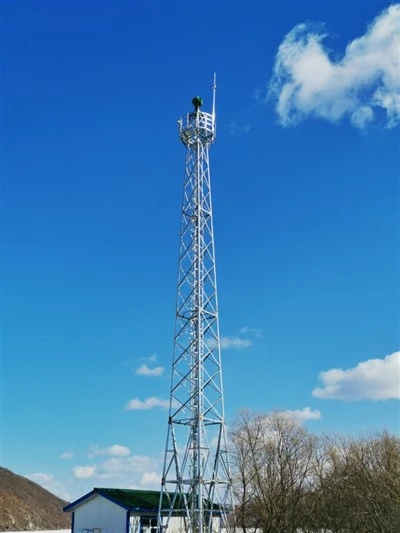
Monitoring Tower If you’ve ever stopped to watch a construction crew erect a steel beam frame for a skyscraper, or a local fabricator bend and weld steel components for a custom fence or structural support, you’ve likely seen the focus on safety gear: hard hats, gloves, goggles, dust masks. But when I first started in the other steel structural products supply business 12 years ago, I’ll admit I underestimated the less obvious, day-to-day health risks that come with handling these materials. I’d spent years working in manufacturing before branching out as a supplier, and I thought steel was just… steel. Hard, heavy, a little sharp, but nothing to worry about beyond cutting a hand or dropping a toe. I was wrong. Those early mistakes—like skipping a proper dust mask during a shipment unload of unfinished steel angles, or not training my warehouse team on how to lift a 500-pound steel beam without jarring their backs—taught me that health risks in this industry aren’t just the big, flashy job site accidents you see on OSHA videos. They’re the small, cumulative things that add up over years, if you don’t pay attention. Today, I’m going to talk about the specific health risks my team and our clients face when handling other steel structural products (think: custom steel lintels, cold-formed steel studs, open-web steel joists, specialty support brackets, and all the non-beam, non-plate steel components that make up a building’s skeleton), why they matter, and what we do as a supplier to mitigate them. Let’s start with the most pervasive risk: airborne steel dust and fumes. When steel is cut, ground, welded, or even just dragged across a rough surface, it creates tiny metal particles—some as small as 0.1 micrometers, too tiny for your lungs to filter out. A lot of people I talk to, both fellow suppliers and small construction contractors, think this dust is harmless, just “metal shavings” that’ll wash off with water. But that’s not true. Inhaling fine steel dust over time can lead to siderosis, a condition where iron builds up in the lung tissue, causing shortness of breath, chronic cough, and in severe cases, reduced lung function. It’s different from silicosis, which comes from silica dust, but it’s just as preventable—if you take the right steps. Welding fumes are an even bigger risk, because they contain not just iron, but also manganese, chromium, and nickel—toxic metals that can cause neurological issues, kidney damage, and even certain cancers with long-term exposure. I learned this the hard way a few years back when a regular client, a small contractor in Cincinnati, had two of his welders develop tremors after they’d been using cheap, unregulated filler wire for their custom structural brackets from a different supplier. We switched them to our premium, low-fume filler wire, and set up a free on-site training session on ventilation and mask use, and within six months, their symptoms had stabilized. The second big risk I see regularly is musculoskeletal disorders (MSDs)—think back injuries, rotator cuff tears, and wrist strains. Steel structural products are heavy, awkwardly shaped, and often shipped in batches that are stacked high. It’s not just the big beams, either. A single open-web steel joist might only weigh 75 pounds, but it’s 20 feet long, so you can’t get a good grip on it. My warehouse team used to try lifting these joists one at a time to save time, and we had two team members take medical leave in 2019 for herniated disks from improper lifting. That’s when I invested in power hoists, lifting straps, and structured training for every new hire on proper lifting technique—no more lifting alone, no more twisting while carrying a steel component. We also adjusted how we load our trucks, grouping smaller, lighter components at the bottom and larger ones at shoulder height, so when our clients unload them, they don’t have to bend all the way down to grab a 400-pound lintel. I’ve since shared that lifting guide with a dozen other small structural suppliers, because I know firsthand that MSDs are the leading cause of missed work days in the construction and manufacturing sectors, per OSHA data. The third risk is less talked about, but just as real: chemical exposure from surface treatments. A lot of other steel structural products are coated to prevent rust—think galvanizing, which uses zinc, or powder coating, or even the oil-based coatings some fabricators apply to unfinished steel to keep it from corroding during shipping. Galvanizing can release zinc fumes when steel is cut or ground, leading to metal fume fever, a flu-like condition with fever, chills, and body aches that usually goes away in a day or two… but repeated exposure makes it worse over time. Powder coating, if it’s cured with solvent-based paints, can release volatile organic compounds (VOCs) that irritate the eyes, nose, and throat, and cause headaches with prolonged exposure. A few years ago, we started offering two options for all our surface treatments: a low-VOC powder coating that meets EPA standards, and a bare, uncoated steel option for clients who want to apply their own paint or coating on site. We also started adding a detailed safety data sheet (SDS) to every shipment, listing exactly what coatings we used, the fumes they release, and the proper PPE to use when handling the steel. I used to think adding that extra step would cost us time and money, but it’s actually built trust with our clients—they know we’re not cutting corners on their team’s safety, just like we’re not cutting corners on the quality of the steel. Wait, what about skin contact? I’ve heard people say that rust is just iron oxide, it’s not that bad, but prolonged contact with rusted steel, or even clean steel, can cause contact dermatitis—especially for people with sensitive skin. The sharp edges on unfinished steel can also cause deep cuts, which if not treated properly can lead to tetanus, especially if the steel has been sitting outside and exposed to dirt or moisture. That’s why we now include a free tetanus vaccine reminder with every bulk order, and we sell a line of heavy-duty, puncture-resistant gloves as a add-on for our clients. It’s a small touch, but I’ve had so many contractors tell me that little reminder saved them from a trip to the clinic for a cut they got on site. Now, I know what you’re thinking: “This all sounds like a lot of work. Why not just switch to aluminum or plastic, if steel is such a risk?” For most structural applications, steel is still the best choice—it’s stronger, more durable, and more cost-effective than alternative materials. The risks aren’t unavoidable—they’re just about planning, training, and choosing the right materials and safety gear. As a supplier, my job isn’t just to deliver steel structural products on time and at a fair price. It’s to make sure the people who handle those products go home at the end of the day healthy, just like they showed up to work. I don’t want to see another team member take a medical leave because of a preventable respiratory issue, or a contractor miss a job because he strained his back lifting a steel joist. That’s why we’ve invested in better ventilation systems for our warehouse, mandatory safety training for every client that orders bulk steel, and regular third-party audits of our surface treatment processes to make sure we’re complying with all OSHA and EPA standards. I know that in this industry, it’s easy to prioritize speed and cost over safety. We’ve all been there, trying to get a shipment out before a deadline, or saving a few bucks on cheaper, less safe materials. But the truth is, the costs of ignoring these risks—medical bills, missed work days, workers’ comp claims—are way higher than the small investment in safety. If you’re a contractor, a construction manager, or another steel structural products supplier reading this, I hope you’ll take a minute to look at your team’s safety protocols. Are you providing the right PPE? Are you training them on proper lifting and fume exposure? If not, reach out—we’re happy to share the resources we’ve built over the years, from our lifting guide to our SDS templates. At the end of the day, we’re all in this together. We build the things that communities use—homes, schools, hospitals, office buildings—and the people who build those things deserve to be taken care of. If you’re looking for a reliable supplier of other steel structural products, whether it’s custom lintels, open-web joists, specialty support brackets, or any other steel components, we’re here to work with you to get you the right product, at the right price, and with all the information you need to keep your team safe. We don’t just sell steel—we sell peace of mind, knowing that you’re not just getting a quality product, but a partner that cares about the people who handle it. References: Occupational Safety and Health Administration. (2023). Steelworking Hazards. U.S. Department of Labor. Centers for Disease Control and Prevention. (2022). Metal Fume Fever and Siderosis: Health Effects of Metal Inhalation. National Institute for Occupational Safety and Health. American Iron and Steel Institute. (2021). Best Practices for Safe Handling of Structural Steel Products. American Galvanizers Association. (2022). Health and Safety Guidelines for Galvanized Steel Handling. Other Steel Structural Products
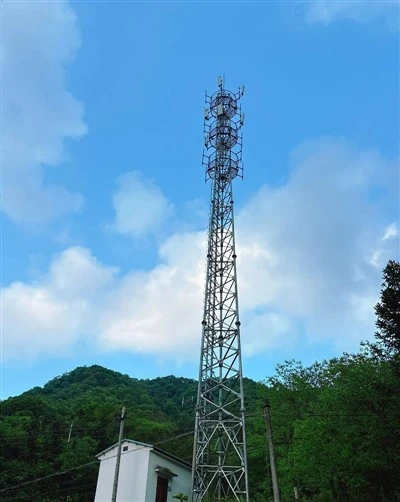
Hunan Zhubang Hongsheng Construction Technology Co., Ltd.
As one of the most professional steel structural products manufacturers and suppliers in China, we’re featured by quality products and good price. Welcome to buy high-grade steel structural products made in China here and get quotation from our factory. Customized orders are welcome.
Address: Lutang Village, Yong’an Town, Liuyang City, Changsha City, Hunan Province, Hunan Zhubang Hongsheng Construction Technology Co., Ltd.
E-mail: 19898838989@163.com
WebSite: https://www.chinaenerto.com/
