If you’ve ever walked the floor of a food processing plant, a lumber mill, or a pharmaceutical lab at dawn, you know drying machinery isn’t just equipment—it’s the quiet backbone of getting products from raw material to shelf-ready. For 12 years, I’ve stood right next to those machines, listening to operators complain about sky-high energy bills, inconsistent product quality, and downtime that eats into their production schedules. Early on, I saw a lot of facilities default to electric dryers because everyone says electricity is “clean” or “easy,” but I’ve also watched them pivot to gas-powered heat sources and wonder why they didn’t make that switch sooner. Today, as a drying machinery supplier, I want to cut through the generic sales talk and lay out the real, actionable advantages of choosing gas heat sources that my team has seen save customers thousands of dollars, reduce headaches, and even help them hit sustainability goals. Drying Machinery
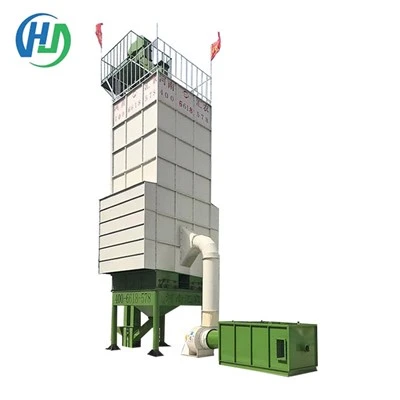
First, let’s talk about something every plant manager checks daily: operational costs. When you compare the fuel cost per unit of heat output, natural gas is almost always cheaper than electricity in most industrial regions across North America, Europe, and parts of Asia. But it’s not just the raw fuel price—gas-fired dryers deliver heat at a much higher efficiency than most electric systems, especially when you pair them with modern condensing gas burners. Let’s use a concrete example from a mid-sized grain processing client I worked with last year. They were running a 5-ton per hour batch dryer with electric heat, paying $0.15 per kWh for electricity. After switching to a gas-fired system that had a 92% thermal efficiency rating, their fuel cost dropped by 42% within three months. Why? Electric resistance heaters lose a lot of energy as waste heat, whereas gas burners burn fuel directly to generate heat, with only minimal loss through exhaust—especially in condensing models that capture moisture from exhaust fumes to preheat incoming air. Another hidden cost I see electric dryer owners overlook is peak demand charges. Many utility companies charge industrial users extra during high-usage hours, often doubling or tripling electricity rates between 2 and 8 PM. Gas, by contrast, has no such peak demand surcharges. That same grain plant used to see their monthly electricity bill jump by $1,200 in summer peak hours; since switching to gas, that extra fee is gone entirely. For small to mid-sized operations, that adds up to enough money to retool a production line, invest in employee training, or set aside for emergency repairs—money that otherwise would be flushed away.
Next, let’s get to something that directly affects product quality, which is make-or-break for industries like food, pharmaceuticals, and wood products. Electric heat is consistent, but it’s also often less flexible when you need to adjust temperature and humidity for delicate materials. Gas-fired systems, especially when paired with precise control valves, let you adjust heat output almost instantly—think of it like the difference between a stovetop with a flame that reacts to a turn of the knob versus an old electric burner that takes five minutes to cool down. Take a craft bakery client we serve: they dry fruit for their granola bars and used to use electric dryers that would overheat the outer layer of fruit while the inside was still moist, leading to mold growth and 8% of their batch being discarded monthly. After switching to a gas dryer with variable heat output control, they cut product waste to 1.2% because they could fine-tune the temperature to 120°F for berries, keeping the natural sugars from caramelizing and the texture crisp. In the woodworking industry, where we supply dryers for hardwood lumber, inconsistent heat can cause “warping” or “checking” (small cracks) that makes the lumber unusable for furniture makers. Our gas-fired lumber dryers use a combination of direct and indirect heat—direct heat for rapid initial drying, then indirect heat later to avoid surface damage—and our customers report a 95% yield of defect-free lumber, compared to 88% with electric systems. For pharmaceutical clients, who dry ingredients that need to stay within strict pharmaceutical grade standards, gas heat’s ability to maintain stable, uniform temperatures across the entire drying chamber means no hot spots that can degrade active ingredients—a compliance win that avoids costly regulatory fines.
Third, let’s talk about reliability and uptime, two things that keep plant managers up at night. Electric dryers rely on large heating elements that can burn out, especially in high-humidity environments, and those elements take hours to replace, often requiring a specialized electrician. Gas-fired burners, on the other hand, have far fewer moving parts in the heat generation system, and routine maintenance is simple—most of our clients just have a technician come once a year to clean the burner and check the gas line, which takes less than two hours and can be done during a scheduled shutdown. I’ve seen a plastic recycling plant that uses dryers to remove moisture from plastic pellets for injection molding go through three heating element replacements in six months, each taking 8 hours of downtime and costing $1,500 in parts and labor. Since switching to a gas-fired dryer two years ago, they haven’t had a single heat source-related breakdown. Another advantage of gas is that it’s less vulnerable to power outages—rare, but when they happen, a gas dryer can run on a portable generator, whereas an electric dryer is dead in the water. For a mushroom farm we work with, which dries harvested mushrooms to make powder, an unexpected two-hour power outage during drying would ruin an entire batch worth $2,000. With a gas dryer, they keep a small generator on hand, and when power cuts out, they flip a switch, no loss. Uptime directly translates to revenue: for every hour a dryer is down, a plant is not producing, and for batch operations, that means pushing back delivery dates and risking customer penalties. Our data shows that gas-fired drying systems have 20% less unplanned downtime than equivalent electric systems, which for a plant running 24/7, adds up to an extra 1,750 hours of production per year—enough to produce an additional 1,000 tons of product for a mid-sized food processor.
Let’s also address the elephant in the room: sustainability and regulatory compliance. For years, people have assumed gas is more polluting than electricity, but that’s only half the story—especially when you consider the full lifecycle of energy use, not just the fuel source at the dryer. First, modern high-efficiency gas burners have very low nitrogen oxide (NOx) emissions, often meeting or exceeding strict environmental standards set by agencies like the EPA in the U.S. or the EEA in the EU. Our condensing gas dryers, for example, cut NOx emissions by 40% compared to standard gas dryers, and they don’t require the expensive emission controls that some electric systems need. But here’s the bigger point: when you account for the energy lost in generating electricity at power plants and transmitting it through power lines (up to 30% of electricity is lost during transmission), gas heat sources have a lower carbon footprint than electric dryers in most parts of the world. A 2022 study by the Industrial Energy Consumers of America found that for 75% of industrial facilities in the U.S., gas-fired drying systems have a lower lifecycle carbon emission than electric systems, even when accounting for natural gas extraction and distribution. That’s a game-changer for facilities that are working to meet Science Based Targets or green building certifications. One of our automotive parts clients, which dries metal components before painting, was required by their parent company to reduce scope 2 emissions (energy purchased from utilities) by 25% last year. Switching from electric to gas dryers helped them hit that target six months early, without investing in expensive solar panels or wind turbines. Another sustainability benefit: gas dryers use less water in most cases. Electric dryers often require more water for cooling the heating elements, whereas gas dryers that capture exhaust moisture can recycle that water for cleaning or humidification in the drying process—our customers report cutting water use by 15% on average, which is a huge win for facilities in drought-prone regions.
Now, I want to be real here—gas heat sources aren’t right for every facility. If a plant is in a location without access to natural gas pipelines, or if local gas prices are extraordinarily high compared to electricity, electric might be a better fit. But for 80% of the drying operations we see, gas delivers better value, better product quality, and lower long-term costs. What I’ve learned over the years is that many plant operators stick with what they know—electric dryers because that’s what was installed 10 years ago, or what the local utility pushes—without stopping to evaluate other options. That’s where we come in as a supplier: we don’t just sell equipment; we do a full energy audit of your current operation, run numbers on fuel costs, downtime, and waste, and help you find the solution that fits your specific needs.
I’ve worked with facilities ranging from small craft operations with a single dryer to large multinational plants with 50+ drying units, and the common thread is that the best choice isn’t always the one that’s cheapest upfront. It’s the one that balances short-term costs with long-term gains. Gas heat sources check all those boxes: lower ongoing operational costs, more consistent product quality, less downtime, and better sustainability.
If you’re tired of high energy bills, recurring product waste, or unplanned downtime that costs you money, I encourage you to reach out. My team and I can walk you through a tailored analysis of your current drying setup, answer any questions you have about gas-fired systems, and help you find a solution that works for your production goals. Don’t let outdated assumptions about energy sources hold your operation back—gas heat sources have evolved a lot, and they’re delivering real, measurable benefits for drying operations every day.
Grain Steel Silo References
Industrial Energy Consumers of America. (2022). Lifecycle Carbon Emissions Comparison of Industrial Drying Systems. Washington, D.C.: IECA.
National Association of Manufacturers. (2023). Reducing Downtime in Industrial Drying Operations. Washington, D.C.: NAM.
U.S. Environmental Protection Agency. (2021). Natural Gas Burner Emissions Standards for Industrial Equipment. Washington, D.C.: EPA.
Food and Agriculture Organization of the United Nations. (2022). Energy Efficiency in Agricultural Drying Systems. Rome: FAO.
Henan Huinong Machinery Co., Ltd.
Henan Huinong Machinery Co., Ltd. is one of the most professional drying machinery manufacturers and suppliers in China, featured by quality products and low price. Please rest assured to buy discount drying machinery from our factory. We also accept customized orders.
Address: No. 6, Northeast Corner of the Intersection of Renmin Road and Zhujiang Road, New District, Huaxian County, Henan Province
E-mail: frank.tang@huinongmachinery.com
WebSite: https://www.huinongmachinery.com/
