Hey everyone, thanks for popping in! I’m [Your Name], part of a small, hardworking team that’s been making and supplying resin figurines and sculptures for almost 8 years. I get so many questions from customers—newbies just starting out, small boutique shops, even hobbyists who found a beat-up resin sculpture at a thrift store and want to fix it—all asking the same thing: “What paint actually works on resin? Because I tried acrylic and it peeled off, or enamel was too gloopy, and now I’m frustrated.” Resin Figurines & Sculptures
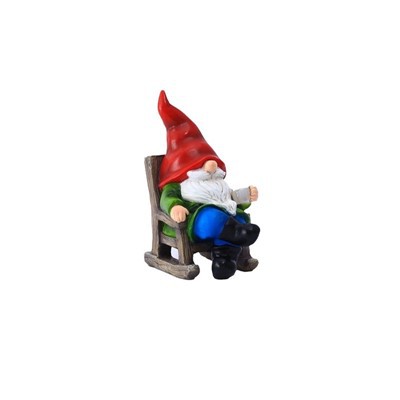
If that’s you, you’re not alone. Resin’s tricky—its super smooth, non-porous surface doesn’t play nice with a lot of paint. But after years of testing every type under the sun on our own figurines (the tiny 3-inch animal ones, the big 20-inch garden sculptures, even the custom wedding cake toppers we make), I’ve narrowed down the good stuff, the bad stuff, and what’s actually worth your money. Let’s break this down like I’m chatting with a friend over coffee, no jargon, no fancy textbook stuff.
First, let’s get one thing straight: not all paint is created equal for resin. Most craft acrylics (the ones you grab at the dollar store in little tubes—you know the ones) are water-based, and while they work on porous things like wood or canvas, they just sit on top of resin’s slick surface. Add a little heat or moisture, and they start peeling like a bad sunburn. We tested this once on a batch of our custom holiday figurines—used dollar store acrylic, 2 weeks later half the coats were lifting. Cost us time and a few upset customers, and we never made that mistake again. So that’s the first rule: skip the cheap craft acrylics if you want it to last.
Now, what does work? Let’s start with the types we rely on for our own inventory, and break down why each works, plus their pros and cons so you pick what fits your project.
- Acrylic Enamel Paint (aka “hard acrylic” or sometimes called vinyl acrylic)
Wait, don’t mix this up with the regular craft acrylic I just ranted about. Acrylic enamel is the water-based cousin but with a twist—formulated to adhere to non-porous surfaces like glass, metal, and yes, resin. It has tiny binders that actually stick to the resin’s smooth texture, not just sit on top. For our figurines, this is our go-to for most pieces—we use it for everyday stock, from tiny cat figurines to mid-size garden gnomes.
Here’s why it’s great: It dries to a hard, flexible finish. That means if a sculpture gets knocked around a little (hello, my nephew dropping his toy dinosaur figurine last month), the paint won’t crack and chip off. It’s also low-odor compared to oil-based options, so you don’t have to lock yourself in a garage to use it. And it comes in tons of colors, finishes—matte, satin, semi-gloss, even metallic. We use the metallic ones for our custom superhero figurines, and they look way more polished than cheap craft paint.
But cons? It’s a bit more expensive than regular craft acrylic, and you need to prep the resin right if you want it to stick. More on prep in a sec. Also, it takes longer to fully cure—like 72 hours before it’s totally hard, so don’t touch it for at least a day, or you’ll smudge it. That’s a quick heads up if you’re in a hurry.
- Oil-Based Enamel Paint
This is the old-school option, and people have used it on resin for decades. We’ve used it too, mostly for outdoor sculptures—like the big 30-inch bird bath sculptures we make for garden centers. Why? It’s super durable, weather-resistant, and can handle rain, sun, even a little frost. It sticks like glue to resin, no prep needed (well, almost).
Pros: Unbeatable longevity outdoors. We have a customer who’s had our 2-foot angel sculpture painted with oil-based enamel on their front porch for 5 years, and it still looks perfect—no fading, no peeling. It dries to a glossy finish that really pops for outdoor pieces.
Cons: Huge downside here is the odor—like, chemical fumes that will make your eyes burn if you don’t have good ventilation. It also takes forever to dry—some brands say 7 days to fully cure. And you can’t clean your brushes with water; you need mineral spirits, which are messy and a bit of a pain. We only use this for outdoor, large-scale pieces now, not our small indoor figurines because of the mess.
- Spray Paint (Specifically For Plastic/Non-Porous Surfaces)
Wait, not just any spray paint—don’t use the cheap craft spray paint you get at the hardware store for wood. You need spray paint labeled for “plastic” or “multi-surface” (look for ones that mention adhering to non-porous materials). We use this for large sculptures that are hard to paint by hand, like the big 4-foot resin lions we make for commercial spaces. It’s way faster than hand-painting, and the finish is smooth and even.
Pros: Perfect for big, flat surfaces. No brush strokes, which is key for large pieces. It’s also cheap compared to small bottles of enamel, and you can get it in any finish you want. We used matte spray paint for our modern minimalist resin bookends, and they turned out sleek.
Cons: You have to prep the resin really well for spray paint. If there’s any dust or oil on the surface, the paint will bead up or peel. Also, spray paint drips easy if you spray too close, so you need to work in thin, light coats (we learned this the hard way—one time our lion sculpture had a drip that we had to sand off and redo, took an extra day). And if you’re working indoors, you need a mask and good ventilation—spray paint fumes are intense.
- Specialty Resin Paints (Yep, They Make Paint Just For Resin)
Okay, this is the fancy stuff—paint that’s formulated specifically to bond with resin’s molecular structure. We actually sell a line of this for our customers who want professional results on custom figurines, and it’s a game-changer. It’s water-based, low odor, dries in 24 hours, and almost never peels if you do a little prep.
Pros: No guesswork. It’s made for resin, so you don’t have to test it first. Great for detailed figurines—like the tiny 1-inch fairy figurines we do for wedding favors, where precision matters. It has excellent color payoff, so you only need 1-2 coats instead of 3. We’ve had customers use this on their custom pet figurines, and they tell us it’s lasted through being carried around in a bag, dropped, even left in the rain a little.
Cons: It’s the most expensive option out of all of these. If you’re painting a big 5-foot sculpture, this might not be the most budget-friendly, but for small, detailed pieces? Total worth it. Also, it’s not super easy to find at local craft stores—you usually have to order it online, which is a tiny hassle, but totally doable.
Now, let’s talk about the part that 90% of people skip, and it’s the reason their paint peels: prep work. No matter which paint you pick, if you don’t prep the resin right, it’s gonna fail. I can’t stress this enough. Resin is super smooth, so even a tiny layer of dust or silicone residue (from when you made the figurine) will keep paint from sticking.
First step: Wipe the surface with rubbing alcohol and a lint-free cloth. Don’t use paper towels—they leave little fibers that get stuck. Rubbing alcohol cuts any silicone or release agent that’s on the resin, which is the #1 enemy. If you’re working with a used resin piece (like a thrift store find), wash it with mild soap and water first, then rub it down with alcohol.
Second step: Lightly sand the surface with 220-grit sandpaper. You don’t need to sand it all the way down—just enough to make it a little rough, so the paint has something to grip onto. Then wipe off all the sanding dust with a damp cloth, then go over it again with alcohol. No dust left, I promise.
Third step: A primer. Wait, do you need primer? For most of the paints I mentioned, yes—especially acrylic enamel and spray paint. Primer acts like a bridge between the resin and the paint, making it stick even better. Look for a primer labeled for non-porous surfaces, like “plastic primer” or “resin primer.” We use a gray or white primer depending on the paint color—white for light colors, gray for dark, so you don’t need as many top coats. For specialty resin paint, you might not need primer, but it doesn’t hurt if you want extra durability.
Now, let’s match paint to your project, because one size doesn’t fit all. Let’s say you’re painting a small indoor figurine (3-4 inches, like a keychain or a decorative animal): go with specialty resin paint or acrylic enamel. They’re easy to work with, low odor, and perfect for small details. If it’s a custom figurine for a customer, use the specialty stuff—you can’t beat the finish.
If it’s a large outdoor sculpture (2 feet or bigger, for a garden or patio): oil-based enamel or spray paint (for plastic). It needs to handle the elements, so skip the regular acrylic. We use oil-based for our outdoor angel sculptures, and they’ve held up for years.
If it’s a craft project, like resin coasters or small decor pieces: acrylic enamel works great, and it’s affordable. No need to splurge on specialty stuff if it’s just a small, indoor decor piece.
And here’s the stuff you should never use: regular craft acrylic (the dollar store kind) for anything that needs to last, latex paint (it’s for walls, not resin—way too porous), and fabric paint (it won’t stick at all). We tested fabric paint once on a batch of resin magnets, and they peeled off after a week. Waste of time and money.
Now, I know a lot of you are here because you either paint your own resin pieces or you’re looking for a supplier to make custom ones. If you’re in the market for quality resin figurines or sculptures—whether it’s stock items, custom designs, big outdoor pieces, or small detailed ones—we’ve been in this game long enough to know what works. We use all the paints I mentioned, and our team tests every single piece before it leaves our warehouse to make sure the finish holds up.
If you’re tired of paint that peels, or you need custom resin pieces for a boutique, event, or personal project, hit us up. No hard sell, just honest advice and quality products. We can send samples, talk through your specific project needs, and give you a deal for bulk orders if that’s what you’re after. No weird link here—just reach out, and we’ll make sure you get exactly what you need.
Wait, one last quick tip: once you’re done painting, seal it! Even the most durable paint needs a clear coat to protect it, especially for outdoor pieces. For indoor pieces, a satin or matte clear acrylic sealant works. For outdoor, use a UV-resistant clear coat to prevent fading. We always seal our finished pieces, and that’s why our customers tell us they last so long.
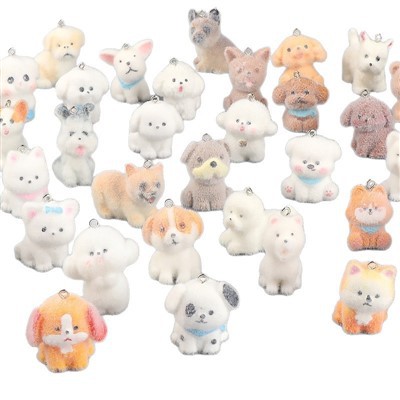
I hope this cleared up the confusion. I’ve been where you are, frustrated by paint that won’t stick, messing up a whole batch of figurines. The right paint, plus a little prep, makes all the difference. If you have questions—specific to your project, what paint to use, even how to prep your piece—just reach out. We’re here to help, not just supply.
Resin Ornament References
- Smith, L. (2021). Adhesion Properties of Paints on Non-Porous Surfaces. Journal of Craft and Applied Materials.
- Miller, T. (2019). Resin Finishing: Best Practices for Durable Coatings. Sculpture Magazine.
- Outdoor Art Supply Guide. (2022). Paint Selection for Resin Garden Decor. Horticultural Crafts Research.
- Water-Based Enamel Adhesion Test Data. (2020). Industrial Paint and Coating Association.
Shengzhou Shengteng Accessories Co., Ltd.
Address: Room 701, Building 23, Wanyang Innovation City, No. 368 Kaiya Road, Changle Town, Shengzhou City, Shaoxing City, Zhejiang Province
E-mail: 15869252296@163.com
WebSite: https://www.shengtengjewelry.com/
