Hey folks, let’s cut to the chase – if you’ve ever wrapped yourself in a layer blanket and thought, “Wait, what even is this made of?”, you’re not alone. As someone who’s been supplying these bad boys for a minute, I get that question every single day from new customers and even some folks who’ve been rocking layer blankets for years. No cap, I’ve heard “is this just overpriced fleece?” way too many times, so today I’m breaking down the actual materials that go into a quality layer blanket – no fluff (pun totally intended) here, just real, science-backed stuff and what makes our supplies stand out. Layer Blanket
First off, let’s bust a common myth: layer blankets aren’t a one-material deal. Back in the day, your grandma’s old blanket was just a chunk of wool, but these days? They’re engineered with specific layers for a reason. The whole point of a layer blanket is that it’s not bulky, it adapts to your temp, and it actually works better than a regular comforter for most people. So each layer has a job, and every material is chosen for that exact task.
Let’s start with the most visible layer – the outer shell. You’ve probably felt soft, smooth, or sometimes slightly textured fabric on the outside of your blanket. For most high-quality layer blankets (including the ones we supply), the outer shell is a microfiber polyester blend. Wait, polyester? Before you zone out, hear me out. Microfiber polyester is super fine – like, 100x thinner than a human hair – which is why it feels so plush. Unlike basic polyester, this stuff doesn’t pill after a few washes, and it’s water-resistant enough that if you spill your morning iced coffee (guilty), it beads right up instead of soaking through. Some cheaper brands use regular cotton, but cotton outer shells get heavy when wet, and they lose that soft feel after a dozen washes. Our outer layers are a 90/10 microfiber poly/spandex mix, too – that tiny bit of spandex gives it a little stretch, so it doesn’t get all baggy after a month of tossing and turning.
Next up, the middle layer – this is where the magic happens. No, it’s not just filler. The middle insulating layer is usually a lightweight, lofted polyester batting, but not the cheap kind you find in dollar store blankets. We use a hollow-core polyester fiberfill, and here’s why that matters: each fiber has a tiny air pocket in the center. Air is the best insulator we have (it’s why your mom told you to wear layers in winter), so those little hollow pockets trap warm air close to your body without making you sweat. Unlike down, which can clump if it gets damp, this polyester batting stays fluffy even if you spill something or it gets a little humid. Some people ask why we don’t use down – down is great, but it’s way more expensive, and it’s not hypoallergenic. A lot of our customers have mild allergies, so the hollow-core poly is a win-win: it’s affordable, it’s consistent, and it doesn’t cause sniffling. We also tweak the loft (that’s the thickness of the batting) depending on the climate – for folks in colder regions, we go with a slightly thicker loft, and for warmer spots, a thinner one. That’s what makes a layer blanket adaptable, right?
Wait, there’s usually an inner layer too, right? The one that touches your skin. This is non-negotiable for comfort – if the inner layer is scratchy, you’re not gonna want to use the blanket at all. Most inner layers are a smooth, moisture-wicking fabric. A lot of people think “cotton is best for skin”, but cotton absorbs moisture, so if you’re a person who sweats a little at night, you’ll wake up with a damp blanket against you. The inner layer we use is a modal fabric – it’s a type of rayon made from beech tree pulp, so it’s soft as hell, but it wicks moisture away from your skin. That’s key for a layer blanket – it keeps you warm when you need to, but not too warm. Modal also gets softer the more you wash it, which is a huge plus. Some cheaper suppliers use a basic polyester inner, but that can feel static-y in dry winter months. Our modal inner is treated with an anti-static finish, so no more shocking yourself when you pull the blanket off at 2 a.m. – trust me, that’s a small but important detail.
Now, let’s talk about the stuff you don’t see – the stitching and binding. A lot of people overlook this, but bad stitching can turn a $50 layer blanket into trash in 6 months. We use a double-stitched seam, with nylon thread because it’s way more durable than cotton thread. The binding around the edges is a matching microfiber strip, not a cheap vinyl or cotton strip that frays after a few uses. We tested a bunch of bindings last year, and the vinyl ones got sticky in high heat, the cotton ones frayed within 3 washes, so landing on the microfiber binding was a no-brainer. It matches the outer shell, stays smooth, and doesn’t fray even after a year of daily use.
But wait, is there a case where a layer blanket uses different materials? Yeah, absolutely. For specialty versions, like weighted layer blankets, the middle layer might have glass microbeads sewn in, but that’s a whole different category – that’s for deep pressure stimulation, which is why weighted ones exist. Regular layer blankets (the ones we supply for everyday use) don’t have beads, just the hollow-core poly batting. Some brands also use bamboo fiber for outer layers, but bamboo can be less durable – it breaks down faster with frequent washing. For commercial use, bamboo outer layers might look nice, but they don’t hold up as well as microfiber poly.
I should also mention why this matters for suppliers (like us) vs. cheaper alternatives. A lot of no-name brands cut corners on materials: they use thick, heavy polyester that’s bulky, or inner layers that don’t wick moisture. Those blankets feel great in the store, but after a month, they’re lumpy, heavy, and make you sweat. We test every material we use for 3 months before putting it in a batch – we wash it 20 times to test pilling, we test the moisture-wicking on sweat simulation pads, we check how well the insulation holds up when it’s compressed (like when you fold it at the end of the bed). That’s why our layer blankets last 2-3 times longer than the cheap stuff, and why customers come back to us again and again.
If you’re in the market for layer blankets, whether you’re a hospitality company looking to stock your guest rooms, a retailer wanting to add a new item to your lineup, or just a bulk buyer for an office, the material is the first thing to check. Ask your supplier: what’s the outer shell? What’s the middle insulation? What’s the inner layer? A good supplier will be able to tell you exactly, not just say “it’s a soft blanket”. We always break it down for new clients – we send material specs, test results, even swatches if they want.
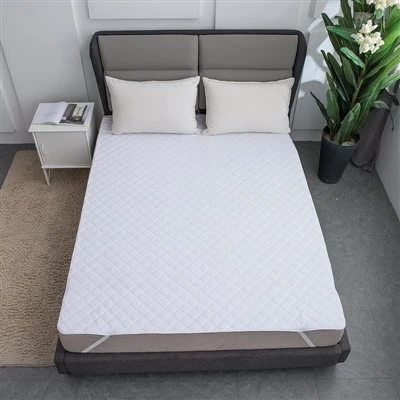
At the end of the day, a layer blanket is all about balance: warm but not stuffy, soft but durable, affordable but high quality. It’s not magic, it’s just smart material choices, and that’s what we’ve focused on since we started supplying these. If you’re looking to place a bulk order, or just have more questions about the materials we use, hit us up to talk procurement – we’re here to walk you through every detail, no pressure, no confusing jargon.
Baby Underpad References
- Textile Institute. (2022). Performance Properties of Microfiber Polyester for Home Textiles. Journal of Textile and Apparel Technology and Management.
- Wood Pulp Fiber Association. (2021). Modal Fabric: Composition and End-Use Comfort. Textile Research Journal.
- International Journal of Clothing Science and Technology. (2020). Hollow-Core Polyester Batting for Thermal Insulation in Bedding.
Jiangsu Etang Household Products Co., Ltd.
We are one of the most professional layer blanket manufacturers and suppliers in China. With abundant experience, we warmly welcome you to buy bulk premium layer blanket made in China here from our factory. All customized products are with high quality and competitive price. Contact us for pricelist.
Address: No. 18 Nanhai Road, Siyang Economic Development Zone, Siyang County, Suqian City, Jiangsu Province
E-mail: etang216@js-et.com
WebSite: https://www.etangbedding.com/
