A few years back, my neighbor Mark, a part-time carpenter who runs his small workshop out of a garage behind his house, used to grumble every summer when his utility bill would land. “$450 for three months,” he’d say, slamming the envelope on his porch rail. “Half of that is my central AC running all day, just when electricity costs the most.” That’s when I, someone who’s spent the last eight years selling household energy storage batteries for a living, had the chance to walk him through what I’d seen dozens of homeowners pull off: switching to time-of-use (TOU) rates and pairing it with a home battery to cut those bills dramatically. Today, I want to break down how that works, why it’s not just a gimmick for rich people with fancy solar panels, and real numbers that show how regular folks like Mark (and you) can actually save thousands over the battery’s life. Household Energy Storage Battery
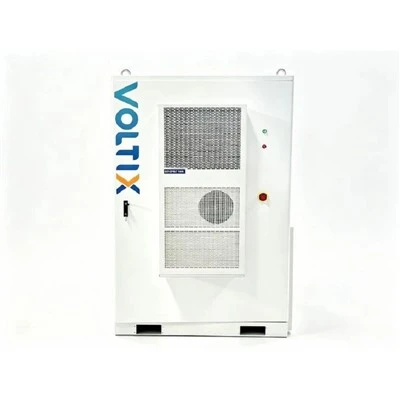
First, let’s get the basics straight, because TOU rates aren’t the same as the flat electricity plans most people grew up on. Utility companies shift to TOU pricing for a reason: demand for electricity peaks at specific times, usually between 2 p.m. and 8 p.m. on weekdays, when everyone gets home, fires up stoves, turns on TVs, runs dishwashers, and cranks AC or heat all at once. To nudge people to use less power during those crunch hours, utilities charge two to three times more per kilowatt-hour (kWh) during peak times, and they cut rates way lower during off-peak windows—usually between 10 p.m. and 6 a.m. on weekdays, and almost always the entire weekend. The idea is simple: if you move your energy use to when demand is low, you pay less. But for most people, that’s easier said than done. You can’t just shift your dinner rush to midnight, right? Or pause your kid’s homework while they do math by daylight. That’s where a home energy storage battery solves the problem.
Think of your battery like a big, rechargeable car battery, but designed to power your whole house, not just an engine. You charge it up when electricity is cheap—during off-peak times—and then use that stored power during expensive peak hours, instead of drawing from the grid. Let’s use Mark’s actual usage as a test case, because he’s the kind of guy I sell batteries to all the time: no solar panels, works from home part-time, has two kids, runs a small woodworking garage that uses a table saw, dust collector, and air compressor. His average monthly electricity use is about 850 kWh, which is right around the U.S. national average for a family of four.
Before he got his battery, Mark was on a standard flat rate of $0.15 per kWh, so his average bill was around $127 a month. When he switched to his utility’s TOU plan, the rates were $0.28 per kWh peak, $0.08 per kWh off-peak. The first month after switching without the battery, his bill jumped to $172—way more than he expected, because he couldn’t cut back on peak use. That’s the catch with TOU rates: they punish you if you don’t adjust your habits, and most people don’t have the flexibility to do that.
Once Mark installed a 10 kWh home battery— the most popular size for a home his size—we set it to charge automatically during off-peak hours, usually between 11 p.m. and 6 a.m. when rates are lowest. Over the next three months, his usage shifted: instead of drawing grid power for his AC, workshop tools, and dinner during the 4 p.m. to 8 p.m. peak window, he used the stored battery power for most of that time. Let’s do the math for one of those summer months: normally, Mark would use 500 kWh during peak hours and 350 kWh off-peak. Without the battery, that’s (500 * 0.28) + (350 * 0.08) = $140 + $28 = $168. With the battery, he could shift 80% of his peak usage into stored off-peak power, so only 100 kWh comes from the grid during peak, and 750 kWh (350 off-peak grid + 400 stored battery) comes from the cheap rate. That’s (100 * 0.28) + (750 * 0.08) = $28 + $60 = $88 a month. That’s a $80 drop from his TOU bill before the battery, and even more than his old flat rate.
But wait, you might be thinking: how much does the battery cost, and is that savings worth it? For a 10 kWh battery, the installed cost (including inverter, permit, and standard installation) is around $7,000 before tax incentives. The U.S. federal government offers a 30% tax credit for residential energy storage batteries installed before 2032, so that knocks $2,100 off the total, bringing the cost down to $4,900. At Mark’s monthly savings of $84, that’s almost $1,000 a year. Even if utility rates go up 3% a year (the average annual increase over the last decade), that savings grows to $1,300 by year 5. Over the 10-year lifespan of a typical home battery, that’s $12,000 in net savings—way more than the cost, plus you get extra perks like backup power during grid outages, which is a huge bonus if you live in an area prone to storms.
But here’s the thing: it’s not just about buying any battery and plugging it in. I’ve seen people make mistakes that cut their savings in half, so I want to share the tips I’ve picked up over the years working with hundreds of homeowners to get the most out of their TOU + battery setup. First, match the battery size to your actual peak usage, not what the big box stores push for marketing. A lot of salespeople will try to sell you a 15 kWh battery for a family of three, but if your peak usage is only 6 kWh an hour on average, a 10 kWh is more than enough—smaller batteries are cheaper, and you won’t be paying for storage you’ll never use.
Second, sync the battery’s charging and discharging schedule to your specific utility’s TOU rates. Not all TOU plans are the same. Some utilities have peak rates that start at 1 p.m. instead of 2 p.m., or have shoulder rates that are higher than off-peak but lower than peak. A good battery system lets you customize these times, so you don’t accidentally discharge power when rates are still high, or charge during a shoulder window that’s more expensive. I always tell my customers to log their utility bill for a month before buying a battery—note when the high and low rates are, and how much power you use during those times—so we can size the battery and set the schedule perfectly.
Third, don’t sleep on time-of-use plans that are designed for battery owners. Some utilities now offer separate TOU rates specifically for homes with energy storage, with even lower off-peak rates and higher peak rates, because they know those batteries reduce strain on the grid during crunch times. Mark’s utility just rolled out this plan last year, and his monthly savings jumped another $15 because of it. If you’re looking to switch to TOU, call your utility and ask if they have a rate option for home battery owners—you might be missing out on extra savings.
Another common misconception is that you need solar panels to make this work. While solar panels paired with a battery can add even more savings (you can store the power your panels make during the day for peak use), it’s not a requirement. I have customers in apartment buildings who have these batteries—wait, no, actually, most apartment buildings don’t allow rooftop batteries, but I have customers in single-family homes, townhomes, and even some attached homes with their own metering who use these batteries without solar. The savings still add up because you’re simply shifting expensive grid power to cheap off-peak power, regardless of where the power comes from. For renters, wait a minute—if you rent, you might not be allowed to install a fixed battery, but there are portable home storage batteries now that are small enough to plug into a wall, charge during off-peak hours, and power your essential appliances during peak times. They’re a little more expensive per kWh, but for people who can’t do a permanent installation, they still save $30 to $50 a month, which adds up.
Let me also address a question I get all the time: what about maintenance? People think these batteries are going to be a hassle, like a car engine that needs oil changes every few months. The truth is, modern home energy storage batteries are almost maintenance-free. The lithium-ion models we install have a 10-year warranty, require no regular upkeep, and only need a software check once a year, which we provide for free for all our customers. The only time you’ll have to touch it is if you need to reset it during a power outage, which is a one-minute process, not a big deal.
I should also mention that the math gets even better if you live in an area with very high TOU rates. For example, in California, many utilities have peak rates that go up to $0.40 per kWh, double what Mark pays. A customer in Los Angeles with the same usage would save $150 a month, cutting their payback period from 5 years to less than 3. That’s life-changing for a lot of people, especially as utility rates continue to rise around the country. Even in states with lower TOU rates, the combination of federal tax credits and growing energy costs makes this a no-brainer for most homeowners.
But here’s what I don’t say enough: it’s not just about the savings. During the 2023 winter storm that knocked out power for 1.2 million people in Texas, Mark’s battery kept his heat running, his kids’ heaters, his fridge, and his workshop tools. He posted a video on the neighborhood group chat of his neighbors knocking on his door asking to charge their phones, because he had power when they didn’t. That’s the other big benefit that people don’t always consider—energy independence, so you’re not at the mercy of grid outages or rising rates.
Now, I know what some of you are thinking: this sounds too good to be true, or maybe it’s only for people who can afford to drop $5,000 on a battery. Let me make this clear: there are financing options for these batteries, too. Most reputable suppliers offer $0-down payment plans with monthly installments that are usually less than the monthly savings you get from the battery. Mark put $0 down, and his $120 monthly payment for the battery was offset by his $84 utility bill savings, plus the extra $15 he gets from his utility’s battery-specific TOU plan. So he’s paying $21 a month total for his power, instead of $172 he used to pay. That’s a net savings of $151 a month, and he owns the battery outright once the loan is paid off in 10 years.
I’ve been in this industry for long enough to see trends come and go, but the TOU + home battery combo isn’t a trend—it’s a solution that works for regular people. I’ve worked with single parents, retired couples, small business owners, and everyone in between. A retired teacher in my neighborhood, Ms. Linda, has a 7 kWh battery that she uses to power her electric oven, space heaters, and TV during peak hours. Her monthly bill went from $98 to $42, and she uses the extra savings to take her grandkids to the zoo once a month. That’s the kind of impact I care about, not just selling a product.
If you’re currently on a flat rate and dreading your next utility bill, or you’re already on TOU but frustrated that it’s not saving you as much as you thought, it’s worth taking an hour to look at your usage and talk to a supplier about your options. The worst that happens is you find out it’s not right for your home, but the best that happens is you start saving hundreds of dollars a year and get backup power when you need it most.

I don’t do pushy sales, and I don’t want to waste your time if this isn’t a fit for you. If you’re curious about learning more about how much you could save, what size battery would work for your home, or how to qualify for the federal tax credit, reach out to connect for a no-obligation consultation. We can go over your utility bills, run the numbers specific to your area, and answer any questions you have. At the end of the day, energy doesn’t have to be a monthly burden that makes you stressed. It should be something that works for you, saves you money, and gives you peace of mind. That’s what home energy storage batteries do, and that’s why I’ve been proud to help so many people make that switch over the years.
Household Energy Storage Battery References
U.S. Department of Energy. (2024). Time-of-Use Electricity Rates: Benefits and Considerations.
National Renewable Energy Laboratory. (2023). Residential Energy Storage Battery Lifespan and Cost Analysis.
Energy Information Administration. (2024). Average U.S. Residential Electricity Bills and Rate Trends.
Voltix Technology Co., Ltd.
As one of the most professional household energy storage battery manufacturers and suppliers in China, we have world-leading production equipment and strong manufacturing capabilities. Please rest assured to wholesale advanced household energy storage battery at competitive price from our factory.
Address: North of G220, Huanghe 2nd Road, Bincheng District, Binzhou City, Shandong Province, China
E-mail: export@voltixbattery.tech
WebSite: https://www.use-voltix.com/
