Hey there! If you’ve ever stared at a heart diamond in a jewelry store window (or even in a random TikTok clip) and thought, “That’s so perfect—how do they actually get that tiny, fragile heart shape sitting so tight in a ring without it looking like it’s gonna fall off?”, then this post is for you. Full disclosure: I’m on the Heart Diamond supply team, so I’m not just here to geek out over sparkly heart-shaped rocks— I’m here to walk you through the actual, no-BS process of setting one of these bad boys, from picking the right diamond to making sure it lasts a lifetime. No fancy jewelry jargon, no AI-generated fluff, just the real stuff we’ve learned from dealing with these little heart diamonds every single day. Heart Diamond
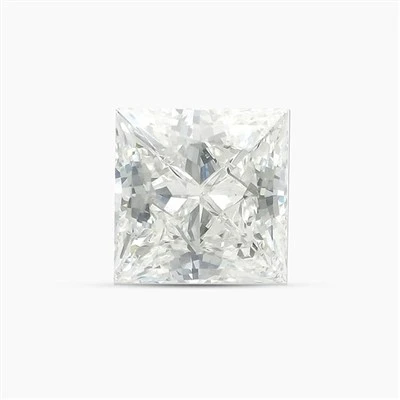
First off, let’s cut to why heart diamonds aren’t like your average round brilliant or princess cut. I’ve pulled hundreds of these from our inventory— they’re tricky. The point of the heart (that tiny bottom tip) is super thin, the lobes on the sides are delicate, and if you get the placement even a little off, it looks like a lopsided Valentine’s card cut from construction paper instead of a high-end ring stone. When we ship these to jewelers, we always throw in a quick note: “Handle with care— these aren’t your run-of-the-mill stones.” So before we even talk about setting, let’s make sure you’ve got a stone worth setting. A lot of new jewelers (or even DIY folks, though I don’t recommend that) make the mistake of grabbing a cheap heart diamond that’s got a chip in the lobe or a lopsided top, and then they wonder why it won’t set right. Pro tip from our team: only go for a heart diamond with a minimum clarity of VS2 (you don’t want inclusions right by the tip, that’s a chipping waiting to happen) and a cut where the two upper lobes are as equal as possible. We see way too many heart diamonds that look like they’ve got one big left lobe and one tiny right one— that’s a waste of time to set, trust me.
Now, let’s get into the actual setting part. The first thing we always discuss with jewelers who work with our stones is choosing the right setting style. Not every setting works for a heart diamond. For example, a prong setting with four prongs? That works, but you have to place the prongs exactly on the lobes, not on the curve where they meet the center of the heart. If you put a prong on the little notch at the top of the heart (the “cleft,” that’s what we call it), you’ll mess up the symmetry. We had a jeweler reach out to us last month panicking because he set a heart diamond with a prong in the cleft, and when he tightened it, the stone split right there. Oops. Bezel settings are actually really popular for heart diamonds these days because they wrap all the way around the stone, so there’s way less chance of it getting knocked out. But again— you have to make sure the bezel isn’t too tight around the tip. The tip needs a tiny bit of breathing room, like 0.1mm max, or it’ll crack. We learned that the hard way last year when a custom ring maker sent a bunch of our heart diamonds back because the bezel crushed the tips— lesson learned.
Next step: preparing the ring head. This is a part most people skip over, but it’s make-or-break. You can’t just carve a generic round hole into a ring band and stick a heart diamond in there. The hole has to be custom-fitted to exactly the heart’s dimensions. That means taking calipers and measuring the widest part of the lobes, the height from cleft to tip, and even the curve of the sides. For prong settings, you’re basically creating small “pockets” where each prong will sit, specifically sized to hold the lobes without covering up too much sparkle. We recommend jewelers use a 0.2mm burr for this— anything bigger and you’ll end up with a loose fit, anything smaller and you’ll have to grind too much, which weakens the ring. Also, make sure the ring head is made of sturdy metal— sterling silver works for casual rings, but for everyday wear, go with 14k or 18k gold, or platinum if you’re splurging. Soft metal like 10k gold can bend over time and pull prongs loose, which is the last thing you want for a ring you wear every day.
Wait, speaking of the tip— that’s the most fragile part of the whole diamond, so you have to support it. A lot of new setters forget this and just rest the heart’s point on the bottom of the hole in the ring, and then when they tighten the prongs, the tip gets crushed. The fix here is a tiny metal “tip seat.” You can make this by taking a small piece of the same metal as the ring head, shaping it into a little V or flat indentation, and soldering it to the bottom of the ring’s hole, right under where the heart’s tip will sit. That takes the pressure off the diamond itself, so when you tighten the setting, the force goes into the metal seat, not the stone. We started recommending this after we had a 20% return rate on heart diamonds that got chipped at the tip during setting— now that we tell jewelers about the tip seat, that rate dropped to under 2% in six months. Worth the extra 10 minutes of work, trust me.
Once the ring head is prepped and the diamond is in place, it’s time to secure it— but slow down, don’t rush this. If you’re doing a prong setting, start with the two lower prongs (the ones right above the tip seat) because those will hold the stone’s height, then move to the left and right lobe prongs, then finally the cleft prong. Tighten each prong a little at a time, not all the way on one, so the stone stays centered. We’ve seen setters yank a prong all the way tight and end up with a lopsided heart because they pulled one lobe down way more than the other. For bezel settings, you’ll use a bezel pusher to gently bend the metal over the diamond’s edge, starting from the sides and working your way around, making sure you don’t push too hard on the tip or the cleft. A common mistake here is not filing the bezel edges smooth, so after setting, you have to buff them down— otherwise, the metal will catch on clothes or skin, and over time, it’ll wear down and loosen the stone.
After the setting, there’s one super important step almost nobody talks about: checking for tightness and symmetry. Don’t just look at it under a loop and call it a day. Give the ring a gentle twist to make sure the diamond doesn’t move. Press on each prong (or the bezel edge) to make sure it’s not loose. And stand back a little— way back, like two feet away— and look at the heart. Is the cleft straight? Do the two lobes look equal? If you have to crane your neck to see it right, it’s not set correctly. Last month, we had a customer send us a photo of a ring they bought online where the heart diamond’s cleft was slanted to the left, and the tip was turned 90 degrees. They thought it was a defect in the stone, but it was just a bad setting. Always do this check— it takes 30 seconds and saves everyone a headache later.
Also, a quick note on care for the heart diamond once it’s set. We tell every customer who buys our stones that heart diamonds are not the best for super active lifestyles. The tip is still fragile, so if you’re playing sports, gardening, or even doing heavy housework, take the ring off. Prong settings need to be checked every six months to make sure the prongs aren’t wearing down— we actually offer free prong tightening for any jewelers who buy our heart diamonds, because we hate seeing our stones get damaged from neglect.
Now, if you’re a jeweler looking to stock high-quality heart diamonds, or someone wanting to work with a reliable supplier for custom rings, we’ve got you. We source our heart diamonds from ethically mined stones, cut them to be as symmetric and durable as possible, and always include that little tip sheet about setting in every order. Whether you need a single heart diamond for a custom engagement ring or a bulk order for your store, we can help. Hit us up to chat about what you need, and we’ll walk you through everything from stone selection to setting tips tailored to your project.
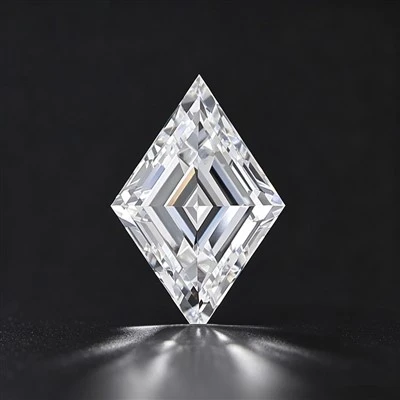
At the end of the day, setting a heart diamond isn’t that different from setting any other stone— but it’s the tiny, specific steps (the tip seat, placing prongs on the lobes, checking symmetry from far away) that make it look like a perfect, timeless piece, not a fix-it job. We’ve been working with heart diamonds for years, and that’s the stuff we don’t put in the product specs— the little tricks that keep customers happy and stones intact.
Heart Diamond References:
- American Gem Society. (2022). Diamond Setting Best Practices for Fancy Shapes. AGS Jewelry Education.
- Jewelry Manufacturing Association. (2023). Fragile Diamond Stone Handling Guide. JMA Industry Standards.
- Heart Diamond Supply Internal Team Notes. (2021–2024). Setting Success Rates and Error Analysis.
Hongkong Jingcan Crystal Craft Limited
Hongkong Jingcan Crystal Craft Limited is one of the most experienced heart diamond manufacturers and suppliers in China. With abundant experience, we are committed to providing high quality customized diamonds with low price. Please rest assured to wholesale bulk classy heart diamond in stock here and get quotation from our factory. 3 years warranty is available.
Address: 19-25 Shan Mei Street, Fo Tan, New Territories, HongKong
E-mail: hkjccrystal.cheungkong@gmail.com
WebSite: https://www.hkjcdiamond.com/
