Hey there,
If you’re running an AAC plant or work with AAC raw material handling systems, you’ve probably hit that annoying snag where raw material flow just… stops. One minute your batching’s humming along, the next, lime dust is clogging the screw conveyor, fly ash is bridging in the silo, or portland cement is spilling out of the weigh hopper for no good reason. As someone who’s spent the last 12 years building, troubleshooting, and tweaking AAC raw material handling systems (we’re the folks your plant calls when the flow dies mid-shift), I’ve seen almost every stupid little thing that can go wrong. Most of these issues aren’t rocket science, but if you skip the basic checks, you’ll waste hours chasing the wrong fix. Let’s break this down like I’d talk to a plant foreman over a coffee—no fancy jargon, just real stuff that actually works. AAC Raw Material Handling System
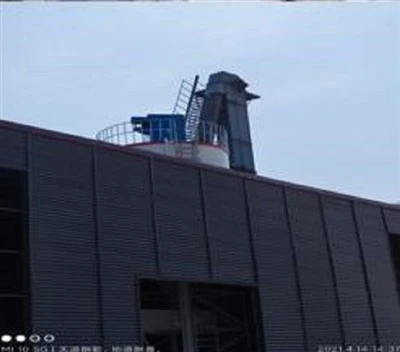
First off, let’s get one thing straight: AAC raw material flow issues almost never happen for one single reason. Fly ash, lime, cement, gypsum—all these materials have weird, inconsistent properties depending on where they’re sourced, how they’re stored, and even the weather outside. I’ve had a plant’s fly ash go from free-flowing to clumpy just because it rained for two days and the silo’s vent was clogged. So before you start tearing apart your conveyor, start with the “quick win” checks first. That’s step one, and it saves 80% of the headaches.
The 10-Minute “No Tools” Check (Do This First)
I swear by this one for every call we get. Grab a notebook and walk the entire raw material line, starting at the silos and ending at the batch plant’s weigh hopper. No wrenches, no laptops—just eyes and a feel.
Start at the silo top. Go check the vent filter. 9 out of 10 times, a clog here is the culprit. When the silo fills, air has to escape, right? If the filter’s covered in dust, that pressure builds up inside the silo. It’s like squeezing a soda can with the lid on—nothing flows. Last month, a plant in Texas had their lime silo vent blocked by dust, so when they opened the bottom valve, lime just oozed out like toothpaste instead of pouring. I just unscrewed the filter, tapped it off, and cleared the housing, and they were back to normal in 10 minutes. Pro tip: Don’t wait for it to get bad—check the vent every shift, especially in dry climates where dust gets everywhere.
Next, tap the side of the silo a few feet above the discharge gate. Feel for dampness or a rough, uneven surface. If it’s wet or bumpy, your material’s absorbing moisture. Fly ash is super porous; if it even gets a little damp from a leaky silo seal or high humidity, it bridges. Bridging is when the material packs into a solid arch across the silo outlet, so nothing flows until you punch it. I see this all the time in coastal plants where salt air makes everything extra humid. If you hear a hollow “thud” when you tap, that’s definitely a bridge. No need for a jackhammer—start small, usually a manual vibrator mounted on the silo cone will break it up without damaging the walls.
Then move down to the feeders between the silos and the conveyor. Look at the screw feeder’s flights—are they wrapped in material? Yeah, that’s called caking, and it’s slow death for flow. Lime is the worst here; it hardens on the metal like concrete if it sits too long. If you see caking, shut down the line (safety first!), scrape the flights, and check the gap between the flight and the trough. If the gap’s more than an 1/8 of an inch, material is slipping instead of moving. We set our feeders with a precise gap for exactly that reason, but sometimes plants forget to adjust them after parts wear.
The Common Culprits Most People Miss
Okay, so the quick check didn’t fix it—now we dig a little deeper. These are the issues that lurk under the surface, not visible until something breaks.
First, material gradation and storage time. Fly ash isn’t just fly ash. If you’re using Class F vs Class C fly ash, their particle sizes are totally different. Class F is finer, so it’s way more prone to bridging. And if that fly ash’s been sitting in the silo for more than a week? It starts to compact. I had a plant in Ohio that stored fly ash for 3 weeks over winter, and when they tried to use it, it was so compacted they had to bring in a bulldozer to break the silo open. Solution? Turn over your silos on a rolling basis—use the oldest material first, no exceptions. And if you can, add a small aeration pad at the bottom of the silo cone. It blows low-pressure air into the material to keep it from packing, and it’s a game-changer for fine powders.
Next, conveyor alignment. This is such a boring, easy-to-forget thing, but it’s huge. If your screw conveyor is even slightly off-center (like 1/4 inch), one side of the flight is scraping the trough. That friction creates heat, dries out the material (making it clumpy), and slows flow down. We do a full alignment check on every system we install, but plants that skip annual maintenance end up with this problem all the time. Last quarter, we got a call from a plant in Michigan where their 6-inch screw conveyor was so misaligned, it was making a high-pitched whine that only the night shift could hear. They tightened the mounts, realigned the flights, and their feed rate went up 15% instantly. Do yourself a favor—get a straightedge every 6 months and check the conveyor from end to end.
Then there’s the weigh hopper. This is the make-or-break part for AAC, because if the cement or lime doesn’t weigh right, your blocks are garbage. I’ve seen so many plants with weigh hoppers that are dirty on the inside, or have leftover material caked on the load cells. That adds extra weight, so the system keeps feeding material long after it’s supposed to, leading to overflows or inconsistent batches. We always recommend a daily 5-minute “hopper tap” after each batch—run a dry batch through, clean any leftover material from the walls, and check that the load cells are zeroed. A friend at a plant in India told me their reject rate for blocks dropped 20% just from doing this simple daily check.
When It’s Not Material, It’s Equipment (And When To Call The Pros)
Let’s be real—sometimes you’ve checked all the basics, and it’s still broken. That’s when it’s probably not the material, it’s your equipment.
First, check your vibrators. A lot of plants use external vibrators on silos, hoppers, and conveyors to keep material moving. But if those vibrators are too weak, or not mounted right, they do nothing. Last month, we sent a set of heavier-duty vibrators to a plant in Arizona that were using cheap, underpowered ones. They were spending 2 hours a day unclogging silos; with the new vibrators, that time went down to 10 minutes. Pro tip: If your vibrators are running constantly and still not working, they’re either too small, or they’re mounted wrong (they should be on the cone of the silo, not the top).
Then there’s the spiral chute between the conveyor and the hopper. We design our chutes with a specific angle and curve to keep material flowing smoothly, but some plants try to rig their own chutes with old steel, and that’s a disaster. If the chute is too steep, material bounces and segregates (big particles vs small ones separate). If it’s too shallow, material clogs. We’ve seen chutes that were bent at a 90-degree angle, so material would pile up at the bend until it fell over in a big clump. That’s not a “fix with a hammer” job—get a custom chute made that matches your material flow. That’s why we make them, right? We test every chute with AAC raw materials before it leaves the shop.
And here’s the big one: when to stop troubleshooting and call someone who knows AAC systems. If you’ve spent more than 2 hours chasing a flow issue, and you’re still guessing, that’s your sign. AAC raw material handling is specific—generic conveyor guys don’t know that lime will cake at 105 degrees, or that fly ash bridges at 45% humidity. We deal with this every day, so we know exactly what to check in 10 minutes that would take you 8 hours. Last month, a plant in New Jersey called us in because their entire line was down for a shift. We showed up, checked the silo vent (clogged), adjusted the feeder gap, and aligned the conveyor—total time: 45 minutes. They would’ve wasted the whole shift trying to fix it on their own.
Final Quick Hit Tips To Prevent Issues Long-Term
I don’t want this to be just troubleshooting—let’s talk about not having to troubleshoot at all. These are small, free things that will save you so much time:
- Do a 15-minute maintenance check every single shift: Vent filter, tap the silos, glance at the conveyor flights, zero the weigh hopper. No excuses.
- Store materials in covered silos with good seals. Even a small leak of humidity will ruin fly ash or lime.
- Invest in vibration monitoring. We sell small sensors that alert you when a vibrator is failing before it causes a clog. It’s like a smoke detector for your material flow.
- Don’t let materials sit in silos for more than 7 days. Rotate your stock—old material clumps.
Look, I get it—plant schedules are tight. Downtime costs you money by the minute, and most of the time, you can’t afford to wait around for a supplier. That’s why we designed our AAC raw material handling systems to have easy-access parts and clear troubleshooting guides right on our website. But when it’s a bigger issue, or you just don’t have the time to dig through the mess, we’re the team that shows up fast, gets it fixed, and doesn’t leave until your line is running smoothly.
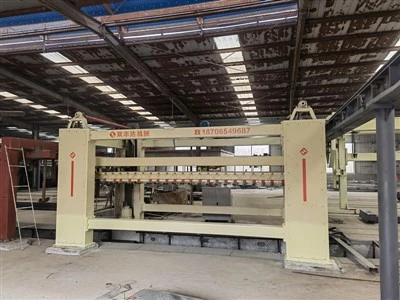
If you’re tired of chasing flow issues that pop up out of nowhere, if your batches are inconsistent because your feed is off, or if you’re just sick of losing shifts to silo clogs, let’s talk. We can walk through your specific setup, point out the weak spots, and give you a plan to stop the headaches for good. No hard sell, just real advice from people who work in this space every day.
Aerated Concrete Block Production Line Reference:
- ASTM International. Standard Specification for Fly Ash and Raw or Calcined Natural Pozzolan for Use in Concrete. ASTM C618, 2022.
- AAC Industry Association. Best Practices for Raw Material Handling and Process Control in Autoclaved Aerated Concrete Plants, 2021.
- CEMA (Conveyor Equipment Manufacturers Association). Belt Conveyors for Bulk Materials, 7th Edition, 2014.
Qingzhou Shuangfengda Machinery Engineering Co., Ltd.
As one of the most professional AAC raw material handling system manufacturers and suppliers in China, we’re featured by quality products and good price. Please rest assured to buy durable AAC raw material handling system for sale here from our factory. Customized orders are welcome.
Address: Gaojiazhuang Village, Gaoliu Town, Qingzhou City, Shandong Province
E-mail: 13793620873@163.com
WebSite: https://www.sfdmachinery.com/
