As a supplier in the fast food equipment industry, I’ve witnessed firsthand the significant impact that equipment energy consumption can have on a business’s bottom line. High energy costs not only eat into profits but also contribute to environmental degradation. In this blog, I’ll share some practical strategies that can help fast – food businesses optimize the energy consumption of their equipment. FAST FOOD EQUIPMENT
Understanding the Current Energy Consumption Landscape
Before diving into optimization strategies, it’s crucial to understand where the energy is being used. In a typical fast – food restaurant, major energy consumers include deep fryers, grills, ovens, refrigeration units, and ventilation systems. Each of these pieces of equipment operates differently and has unique energy – consuming characteristics.
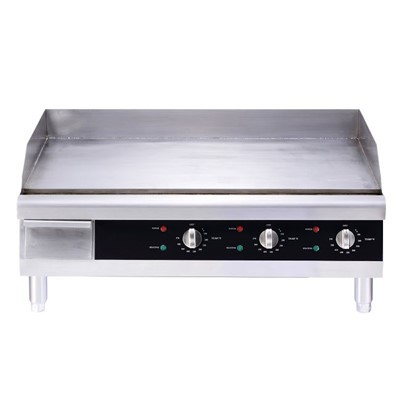
Deep fryers, for example, are constantly heating oil to high temperatures, which requires a large amount of energy. Grills and ovens need to maintain consistent heat levels for cooking, and refrigeration units must keep perishable items at a safe temperature round – the – clock. Ventilation systems work to remove heat, smoke, and odors, but they also consume energy in the process.
Energy – Saving Strategies for Fast – Food Equipment
1. Equipment Selection
The first step in energy optimization starts with choosing the right equipment. When selecting new appliances, look for models with high energy – efficiency ratings. Energy Star is a well – known label that indicates a product meets strict energy – efficiency guidelines set by the Environmental Protection Agency (EPA). These appliances are designed to use less energy without sacrificing performance.
For deep fryers, consider models with advanced insulation and temperature control features. Good insulation helps to retain heat, reducing the amount of energy needed to keep the oil at the right temperature. Precise temperature controls ensure that the fryer doesn’t use more energy than necessary to cook the food.
Refrigeration units should have features like adjustable thermostats and proper door seals. Adjustable thermostats allow you to set the optimal temperature for different types of food, while well – sealed doors prevent cold air from escaping and warm air from entering, reducing the workload on the compressor.
2. Regular Maintenance
Proper maintenance is essential for ensuring that equipment operates at peak efficiency. Dirty or malfunctioning equipment often consumes more energy than it should.
For deep fryers, regular oil change and filter cleaning are crucial. Old oil has a lower smoke point and can increase energy consumption as the fryer has to work harder to heat it. A clogged filter can also restrict the flow of oil, putting additional strain on the heating elements.
Grills and ovens need to be cleaned regularly to remove grease and food debris. A build – up of grease can insulate the heating elements, making them less efficient. Check the seals on oven doors and replace them if they are worn out, as this can prevent heat from escaping.
Refrigeration units should have their condenser coils cleaned at least once a year. Dirty coils reduce the unit’s ability to dissipate heat, forcing the compressor to work harder and use more energy.
3. Smart Operating Practices
Implementing smart operating practices can also lead to significant energy savings.
Schedule equipment use during off – peak hours. Many utility companies offer lower electricity rates during off – peak times, such as late at night or early in the morning. If your business supports it, consider doing tasks like pre – heating ovens or defrosting food during these periods.
When using multiple pieces of equipment, try to group them together. For example, place all the hot – cooking equipment in one area and the refrigeration units in another. This way, you can better control the temperature in different parts of the kitchen, reducing the overall energy consumption of the ventilation and heating or cooling systems.
Train your staff on proper equipment use. Teach them to turn off equipment when it’s not in use, even for short periods. For example, turning off a fryer during a lull in business can save a considerable amount of energy over time.
4. Upgrading to Advanced Technology
Advancements in technology have led to the development of more energy – efficient fast – food equipment. Consider upgrading your existing equipment to take advantage of these new features.
Some modern deep fryers use induction heating technology. Induction heating is more efficient than traditional heating methods because it heats the oil directly, rather than heating the surrounding air first. This results in faster heating times and less energy waste.
Newer refrigeration units are equipped with variable – speed compressors. These compressors can adjust their speed based on the actual cooling needs of the unit, using less energy during periods of low demand.
Ventilation systems with demand – controlled ventilation (DCV) sensors can detect the level of heat, smoke, and odors in the kitchen and adjust the fan speed accordingly. This ensures that the ventilation system only uses as much energy as necessary.
Monitoring and Evaluation
Once you’ve implemented these energy – saving strategies, it’s important to monitor and evaluate their effectiveness. Keep track of your energy bills and compare them to previous periods to see if there are any improvements. You can also use energy – monitoring devices to track the energy consumption of individual pieces of equipment.
If you find that you’re not achieving the expected energy savings, re – evaluate your strategies. Maybe the equipment is not being maintained properly, or the staff is not following the operating procedures. Make adjustments as needed to continue optimizing energy consumption.
The Business and Environmental Benefits
Optimizing the energy consumption of fast – food equipment offers numerous benefits for both the business and the environment.
From a business perspective, lower energy costs mean higher profit margins. The money saved on energy can be reinvested in other areas of the business, such as improving the menu, expanding the restaurant, or upgrading other aspects of the equipment.
On the environmental front, reducing energy consumption helps to lower greenhouse gas emissions. Fast – food restaurants are part of a large industry, and collective energy – saving efforts can have a significant positive impact on the environment. By being more energy – efficient, your business can also enhance its reputation as an environmentally responsible establishment, which can attract environmentally – conscious customers.
Connect with Us for More Efficient Equipment
Countertop Soup Warmer If you’re looking for ways to further optimize the energy consumption of your fast – food equipment, I encourage you to reach out to us. As a leading supplier in the fast – food equipment industry, we have a wide range of energy – efficient products that can meet your business needs. Our team of experts can also provide customized solutions and advice on energy – saving strategies. Whether you’re opening a new fast – food joint or looking to upgrade your existing equipment, we’re here to help you make the most energy – efficient choices. So, don’t hesitate to start a conversation with us and take the first step towards a more energy – efficient and profitable fast – food business.
References
- "Energy Efficiency in Commercial Kitchen Equipment", International Association of Culinary Professionals.
- "The Impact of Equipment Maintenance on Energy Consumption", American Society of Heating, Refrigerating and Air – Conditioning Engineers (ASHRAE).
- "Advances in Energy – Saving Technologies for Fast – Food Equipment", Journal of Food Service Technology.
Foshan Frespro Industries Co., Ltd.
Foshan Frespro Industries Co., Ltd. is one of the most experienced fast food equipment manufacturers and suppliers in China, featured by quality products and good price. We warmly welcome you to buy advanced fast food equipment for sale here and get quotation from our factory. Customized orders are welcome.
Address: No.24, 1ST DISTRICT, FUAN INDUSTRIAL ZONE, LIANDU LELIU, SHUNDE FOSHAN, GUANGDONG CHINA
E-mail: lisa@dezaoequip.cn
WebSite: https://www.fresproeq.com/
