Hey there! I’m a supplier of Optical Crystical PET Thermal Laminating Film, and today I want to chat about how this awesome film reacts to chemicals. Optical Crystical PET Thermal Laminating Film
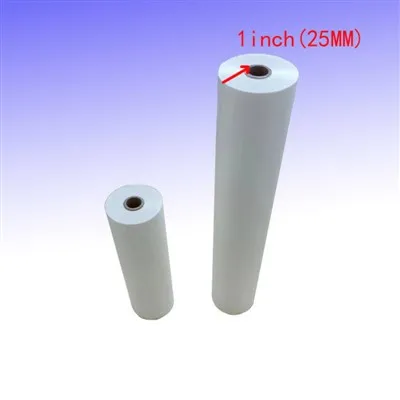
First off, let’s understand what Optical Crystical PET Thermal Laminating Film is. It’s a high – quality film that’s widely used for laminating all sorts of stuff, like documents, photos, and even some industrial products. The "optical crystical" part means it has a super clear and shiny finish, which makes whatever it laminates look great. And the "PET" stands for polyethylene terephthalate, a common plastic that’s known for its strength and durability.
Now, when it comes to chemicals, different types of chemicals can have different effects on our film.
Reactions to Common Solvents
Let’s start with solvents. Solvents are chemicals that can dissolve other substances. Some common solvents are acetone, ethanol, and toluene.
Acetone is a very strong solvent. When our Optical Crystical PET Thermal Laminating Film comes into contact with acetone, it can cause some serious damage. Acetone can dissolve the surface layer of the film, making it lose its clarity and shine. You might notice that the film starts to get cloudy or even develop small holes. This is because acetone breaks down the chemical bonds in the PET material. So, if you’re working in an environment where acetone is present, you need to be really careful to keep our film away from it.
Ethanol, on the other hand, is a milder solvent. In most cases, a short – term exposure to ethanol won’t cause too much harm to our film. The film might get a little wet, but once the ethanol evaporates, it’ll usually go back to normal. However, if the film is soaked in ethanol for a long time, it can start to affect the adhesion of the film. The film might start to peel off from the surface it’s laminated on.
Toluene is another solvent that can be a problem. Toluene is a bit like acetone in that it can dissolve the PET material. It can also make the film become brittle. If you bend the film after it’s been exposed to toluene, it might crack easily.
Reactions to Acids and Bases
Acids and bases are also important to consider. Acids are substances that can donate hydrogen ions, and bases are substances that can accept hydrogen ions.
Weak acids, like acetic acid (the main component of vinegar), usually don’t have a big impact on our film. The film can withstand short – term exposure to acetic acid without any major changes. But strong acids, like sulfuric acid or hydrochloric acid, are a different story. These acids can react with the PET material in the film. They can break down the polymer chains in the PET, causing the film to become discolored and lose its strength.
Bases are similar. Weak bases, such as sodium bicarbonate solution, generally won’t cause much damage. But strong bases, like sodium hydroxide, can be very corrosive to the film. Sodium hydroxide can react with the PET and form salts, which can make the film become rough and lose its optical properties.
Reactions to Cleaning Agents
Cleaning agents are something we use every day, and it’s important to know how our film reacts to them.
Most household cleaning agents that are water – based and have a neutral pH are safe to use on our film. For example, a simple solution of mild dish soap and water can be used to clean the film without causing any damage. You can just gently wipe the film with a soft cloth dipped in the soapy water, and then rinse it off with clean water.
However, some heavy – duty cleaning agents that contain strong chemicals, like ammonia – based cleaners, can be harmful. Ammonia can react with the PET material and cause it to become cloudy or lose its adhesion.
Reactions to Chemicals in Different Environments
The reaction of our film to chemicals can also depend on the environment. For example, temperature and humidity can play a role.
In a high – temperature environment, the film might be more sensitive to chemicals. The heat can make the chemical reactions happen more quickly. So, if there are chemicals present in a hot environment, the damage to the film can be more severe.
Humidity can also affect the reaction. High humidity can make the film absorb more moisture, which can change its physical properties. And if there are chemicals in the air, the moisture can act as a medium for the chemical reactions to occur more easily.
How to Protect the Film from Chemicals
So, now that we know how our Optical Crystical PET Thermal Laminating Film reacts to chemicals, how can we protect it?
First of all, if you know there are chemicals in the environment, try to keep the film away from them. If you’re working in a laboratory or an industrial setting where chemicals are used, store the film in a sealed container or a storage area that’s free from chemical fumes.
When cleaning the film, always use mild and safe cleaning agents. Avoid using any cleaning agents that you’re not sure about. And if you accidentally spill a chemical on the film, clean it up as soon as possible.
Why Our Film is Still a Great Choice
Even though our film has some reactions to chemicals, it’s still a great choice for many applications. It has excellent optical properties, high strength, and good durability. The chemical reactions we talked about usually occur under extreme conditions. In normal use, as long as you take proper care of the film, it will serve you well.
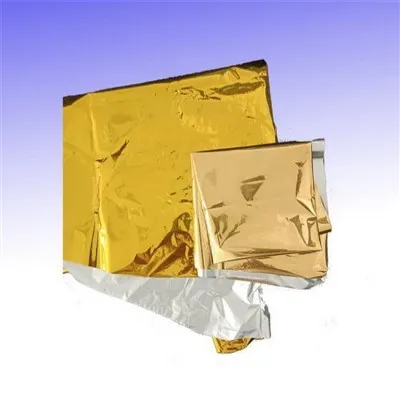
If you’re looking for a high – quality laminating film for your project, whether it’s for office documents, photo albums, or industrial products, our Optical Crystical PET Thermal Laminating Film is a great option. It can give your items a professional and long – lasting finish.
Thermal Laminating Film If you’re interested in purchasing our Optical Crystical PET Thermal Laminating Film, or if you have any questions about its chemical resistance or other properties, don’t hesitate to get in touch. We’re always happy to have a chat and work out the best solution for your needs.
References
- "Plastics Science and Technology", Various Authors
- "Chemical Resistance of Polymers", Academic Publications on Polymer Chemistry
Yantai Hongqing Packing Material Co., Ltd.
Yantai Hongqing Packing Material Co., Ltd. is one of the most professional optical crystical pet thermal laminating film manufacturers and suppliers in China, also supports customized service. Welcome to wholesale advanced optical crystical pet thermal laminating film made in China here and get quotation from our factory. Quality products and reasonable price are available.
Address: Eastern Industrial Park, Taocun, Yantai, Shandong Province, China
E-mail: cindy@ythongguang.cn
WebSite: https://www.hqingnewmat.com/
