Hey there, tech enthusiasts! I’m a supplier of Mini ITX motherboards, and today I want to dive into a question that a lot of folks in the gaming and PC – building community have been asking: Can a Mini ITX motherboard support high – end graphics cards? Mini ITX Motherboard
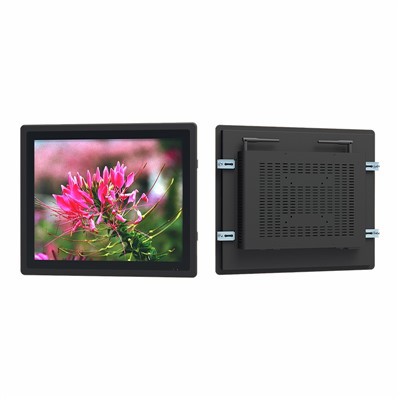
Let’s start by getting a grip on what Mini ITX motherboards are. Mini ITX is a form factor for motherboards. It’s super compact compared to its bigger brothers like ATX and Micro ATX. The small size is a major selling point. You can fit a Mini ITX motherboard into a tiny PC case, which is perfect for people who want a portable gaming rig or just don’t have a ton of space on their desk.
But when it comes to high – end graphics cards, things get a bit tricky. High – end graphics cards are beasts. They’re usually big, power – hungry, and generate a ton of heat. Take the NVIDIA GeForce RTX 3080 or AMD Radeon RX 6900 XT, for example. These cards are designed to deliver top – notch gaming performance, 4K visuals, and smooth frame rates.
One of the main concerns is the physical space. Mini ITX motherboards are small, and so are the cases they typically go in. Most high – end graphics cards are long, sometimes longer than 300mm. A standard Mini ITX case might not have enough room to accommodate such a long card. However, in recent years, case manufacturers have caught on. There are now Mini ITX cases specifically designed with long – card support in mind. They have more spacious interiors and proper ventilation setups to fit these large graphics cards. So, physically speaking, it’s becoming more and more possible to install a high – end graphics card in a Mini ITX system.
Another aspect to consider is the power supply. High – end graphics cards need a lot of power. Some can draw over 300 watts under heavy load. A Mini ITX motherboard usually comes with a small form – factor power supply, which might not be able to provide enough juice. But don’t worry too much. There are high – wattage power supplies available in small form factors. You can find SFX or SFX – L power supplies that can offer up to 800 watts or more. This means you can get a power supply that can keep your high – end graphics card running smoothly.
Now, let’s talk about the compatibility on the motherboard itself. Mini ITX motherboards generally have a PCIe slot for the graphics card. Most modern high – end graphics cards use the PCIe 4.0 or PCIe 3.0 interface. The good news is that most Mini ITX motherboards also support these PCIe standards. So, in terms of the connection between the motherboard and the graphics card, there’s usually no problem. You can plug in your high – end card and it should work just fine.
But there’s a little catch. Mini ITX motherboards might have limitations on the number of other components you can add. Since they’re small, they typically have fewer expansion slots. If you want to add additional things like a sound card or a secondary network card, you might run out of space. However, for most people who are mainly focused on gaming and using the high – end graphics card for that purpose, this might not be a big deal.
When it comes to cooling, high – end graphics cards generate a significant amount of heat. In a small Mini ITX case, proper cooling becomes crucial. You need to make sure that the case has good airflow. A good idea is to install case fans that can blow air over the graphics card and out of the case. Some high – end graphics cards also come with their own advanced cooling solutions. For example, they might have multiple heat pipes and large fans. But you still need to have a case that can support these cooling requirements.
From a performance perspective, a Mini ITX motherboard paired with a high – end graphics card can be a real powerhouse. You can get excellent gaming performance even in a small form factor. Whether you’re playing the latest AAA titles or doing some professional 3D rendering, the combination can deliver the goods. But you need to be aware of the potential bottlenecks, such as the power supply and cooling.
Let’s look at some real – world examples. I’ve had customers who built Mini ITX systems with high – end graphics cards for gaming. They were able to fit the cards into their cases with the right modifications. For instance, they used a specialized Mini ITX case with a cut – out for the long graphics card. They also upgraded their power supplies to make sure there was enough power. After some fine – tuning of the cooling, the systems ran great. The customers were able to play games at high resolutions with smooth frame rates without any major issues.
So, to answer the question, yes, a Mini ITX motherboard can support high – end graphics cards. But it requires some careful planning and the right choice of components. You need to pick a suitable case, a powerful enough power supply, and make sure the cooling is up to par.

If you’re interested in building a Mini ITX system with a high – end graphics card, or you just want to explore our range of Mini ITX motherboards, we’re here to help. We’ve got a wide selection of motherboards that can work well with different high – end graphics cards. Reach out to us for a detailed consultation and start building your dream PC. We’ll be happy to guide you through the process and help you make the right choices based on your needs.
HJS OPS-C References
- "PC Hardware Guide" by some well – known tech author.
- Various tech forums where users share their experiences of building Mini ITX systems with high – end graphics cards.
Shenzhen HJS Technology Group
Shenzhen HJS Technology Group is one of the most experienced mini ITX motherboard manufacturers and suppliers in China, featured by quality products and good service. Please rest assured to buy CE approved mini ITX motherboard made in China here from our factory. For price consultation, contact us.
Address: F10, Wanhe Technology Building C, No. 7 HuiTong Road, Fenghuang Street, Guangming New District, Shenzhen. China.
E-mail: info@hjs-pc.com
WebSite: https://www.hjs-pc.com/
