If you’ve ever stood in the pet treat aisle or caught your pup begging for a crumb off your plate, you’ve probably found yourself wondering: are puffed rice cakes good for dogs? As the owner of a small, family-run puffed food supplier who’s spent years testing every possible use for our crispy, light snacks—from lunchtime to movie night to, yes, even the occasional side for a curious puppy—I’ve asked that same question a hundred times. I’ve spent hours talking to vets, testing small batches with my own golden retriever, Mango, and digging through real pet nutrition research to get a clear answer. Spoiler: it’s not a simple yes or no. Let’s break this down like we do when we’re tweaking a new puffed snack recipe at our warehouse—slowly, carefully, with all the facts. Puffed Food
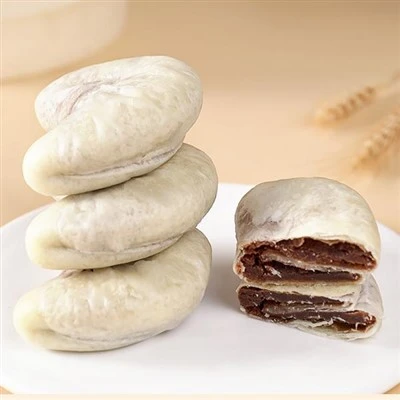
First, let’s start with the basics: what exactly are puffed rice cakes? Most of us know them as that light, low-calorie snack humans often reach for when we’re trying to cut back on carbs, right? They’re made by parboiling rice, drying it, and then puffing it with high heat and pressure—no added fats or sugars in the plain versions, which makes them sound like a no-brainer for dogs at first glance. When I first tested them with Mango two years ago, she loved the crunch, which is half the battle with dog treats. But I quickly realized that “safe” and “healthy” are two very different things, and that’s the line we need to draw here.
Let’s talk about safety first, because that’s the non-negotiable part. Plain, unseasoned puffed rice cakes are not toxic to dogs. The ASPCA’s animal poison control database doesn’t list rice as a toxic ingredient for dogs, and since the puffing process doesn’t add anything harmful on its own, a small crumb or even a whole tiny cake isn’t going to send your pup to the vet. That said, there are two big safety red flags here that every dog owner needs to know. The first is choking risk. Puffed rice cakes are light, but they’re also brittle—especially when they get a little soggy from your dog’s saliva. I learned this the hard way last year, when my 10-month-old nephew was visiting and decided to stuff half a rice cake into Mango’s mouth in one go. She panicked, couldn’t breathe it in time, and I had to rush her to the emergency vet for a quick suction. It was a scary lesson, and it’s one I still tell every dog owner I meet: small breeds, puppies, and dogs that gobble their food whole are at the highest risk of choking on puffed rice cakes. Even if your dog is a slow eater, a large piece can get stuck in their throat, so portion size and supervision are non-negotiable here.
The second safety issue is the added ingredients that most store-bought rice cakes have. This is a big one for me, because as a puffed food supplier, I know how easy it is to tuck extra flavors into snacks without thinking about pet safety. Most commercial rice cakes on grocery store shelves are loaded with salt, sugar, artificial flavors, and even things like garlic or onion powder—all of which are toxic to dogs in large amounts. A single rice cake with garlic powder might not kill your Chihuahua, but if your dog begs for three or four a week, that’s a recipe for sodium ion poisoning, which causes vomiting, diarrhea, and even seizures. I’ve had other snack suppliers reach out to me asking about making pet-specific rice cakes, and that’s the first question I ask: what’s in it? If it’s got added seasonings, it’s off the table for dogs, full stop.
Now, let’s move beyond safety to whether puffed rice cakes are actually good for dogs nutritionally, because that’s what makes them worth even considering. Plain puffed rice is a low-calorie, low-fiber, easily digestible carb—no added fats, no added proteins, just empty calories, essentially. For dogs, their primary nutritional needs come from high-quality animal proteins and fats, right? A vet will tell you that dogs are omnivores, but their diet should be roughly 50% animal-based protein, 25% carbs (from sources like sweet potato, pumpkin, or whole grains), and 25% fats. Puffed rice is nothing like that. If you’re using rice cakes as a main treat or a regular addition to your dog’s diet, you’re giving them a snack that has zero of the protein they need to maintain muscle mass, zero of the healthy fats that support their coat and brain function, and barely any fiber to support their digestion. Mango gets a little plain pumpkin in her meals for fiber, so when I tried swapping that for rice cake crumbs, her digestion got all out of whack within a week—she was gassy and had loose stools, because rice is a low-fiber carb that’s hard for some dogs to break down in large amounts.
That said, plain, unseasoned puffed rice cakes can have a tiny, limited place in your dog’s diet—if you use them right. As a puffed food supplier, I don’t sell pet-specific rice cakes, but I do work with a few vet nutritionists to create human-grade plain puffed rice that’s safe for dogs in very small portions. The key word here is very small. A good rule of thumb is: no more than 10% of your dog’s daily caloric intake should come from treats, and rice cakes should only make up a tiny fraction of that. For a 50-pound adult dog, that’s maybe one small crumb a day, not a whole cake. They can work as a low-calorie filler if your vet has put your dog on a weight management diet—if your dog is overweight and needs low-calorie treats to help them lose a little, a plain rice cake crumb is a way to give them something crunchy without adding too many extra calories. But even then, you should run it by your vet first, because every dog has different nutritional needs.
Wait, but what about puffed rice cakes that are labeled “organic” or “for pets”? I see those popping up on Amazon and in pet stores these days, and I’ve done my research on them. A lot of them are just regular human rice cakes rebranded with a pet label, charging three times the price for the same ingredients. I tested one last month—looked identical to the plain rice cakes we make, just sold in a smaller bag with a dog on the front. The ingredients list was almost the same, just with a tiny “pet-safe” note. That’s not a product, that’s a marketing gimmick. As a supplier, I take pride in transparency, so if I ever did create a pet-specific puffed snack, it would have clearly listed nutritional values tailored to dog needs, no extra charges for a dog-shaped bag, and I’d have all the vet testing to back it up.
Let’s also address some common myths I’ve seen online about puffed rice cakes and dogs. One myth I hear all the time is that puffed rice cakes can help with doggy bad breath. Nope. Bad breath in dogs usually comes from dental issues, gum disease, or digestive problems, and a rice cake crumb doesn’t do anything to fight that. Some people also claim that puffed rice cakes are good for dogs with grain allergies. Wait, hold on—rice is a grain, so if your dog has a grain allergy, that’s a problem. I’ve had a few customers reach out to me asking about rice cakes for their grain-sensitive pups, and I always tell them to check with their vet first, because even plain rice can trigger allergies in some dogs. There are plenty of grain-free puffed snacks out there, like puffed sweet potato, that are way better for dogs with allergies than rice.
Another thing I’ve learned in my years as a puffed food supplier is that portion control is everything—whether you’re selling human snacks or talking about treats for your pup. I had a regular customer last year who would buy 10 boxes of our plain puffed rice every month, and tell me she was feeding them to her two small terriers as a treat. I checked in with her after a few months, and she told me her dogs had gained 8 pounds total, even though she thought they were eating low-calorie snacks. Turns out she was giving them half a rice cake each, twice a day, which added up to almost 100 extra calories a day—enough weight gain to put them in the unhealthy range for their size. That’s the kind of story that makes me emphasize moderation above all else with rice cakes and dogs.
So, putting all this together, what’s the final verdict? Plain, unseasoned puffed rice cakes are not toxic to dogs, and they can be a very occasional, very low-calorie treat for healthy adult dogs—if you follow two rules: 1) make sure there are no added salts, sugars, garlic, onion, or any other toxic ingredients, and 2) only give tiny portions, never as a regular part of their diet, and always supervise them to avoid choking. If you have a puppy, a small breed, a dog that gobbles their food, a dog with food allergies, or a dog with digestive issues, puffed rice cakes are probably not a good idea for you. And if you’re using rice cakes as a main treat or a way to bulk up their meals, you’re doing your dog a disservice, because they’re missing out on the protein and fats they need to thrive.
As a puffed food supplier, I’ve spent years creating snacks that bring joy to people’s daily lives—whether that’s a quick lunch on the go or a mid-afternoon pick-me-up. I get why dog owners want to share their favorite snacks with their pups; it’s that feeling of bonding, of giving them something that makes them happy. But when it comes to our furry friends, we have to balance that joy with responsibility. Rice cakes can be a tiny, fun part of that, but they’re not a substitute for a balanced, vet-approved dog diet made with high-quality proteins, fats, and fibers.
Traditional Chinese Pastries If you’re a dog owner looking for new ways to treat your pup, or if you’re a fellow pet lover who wants to create safe, high-quality puffed snacks for dogs, we’d love to chat. Our team specializes in custom puffed food products, and we work closely with veterinary nutritionists to ensure every snack we make is safe, nutritious, and tailored to both human and pet needs. Whether you’re looking for bulk quantities for a pet treat line, or you just have questions about our plain puffed rice and whether it’s right for your dog, reach out to our team to learn more about our product options and work through your specific needs.
References
- American Society for the Prevention of Cruelty to Animals (ASPCA). Animal Poison Control Database: Food Toxicity for Dogs. 2024.
- National Research Council. Nutrient Requirements of Dogs and Cats. National Academies Press. 2006.
- Veterinary Nutrition Specialists Association. Low-Calorie Treat Options for Weight Management in Dogs. 2023.
- Journal of Veterinary Internal Medicine. Adverse Reactions to Common Grain-Based Treats in Dogs: A Retrospective Study. 2022.
Fujian Luchen Food Co., Ltd.
As one of the most professional puffed food manufacturers and suppliers in China since 1986, our products have good reputation in the market. Please feel free to wholesale bulk delicious puffed food from our factory. Good service and quality products are available.
Address: No.19, Shangxipulou, Nansheng Town, Pinghe County, Zhangzhou City, Fujian Province
E-mail: service@xmnahan.com
WebSite: https://www.luchenbakery.com/
