Hey there, it’s Mia from [your heating furnace supply company name], and if you’ve ever found yourself scrolling through heating solutions for a new project—whether it’s a manufacturing line, a commercial kitchen, or a residential development—you’ve probably hit a wall: heating furnaces aren’t one-size-fits-all. I get it, when I started in this business over 12 years ago, I’d get calls from guys panicking because they ordered a furnace designed for high-heat metal casting, only to realize they needed a gentle, even heat for ceramic drying. That’s why today, I’m breaking down the most common types of heating furnaces, how they work, and what they’re best for—plus a little note at the end about how we can help you pick the right fit, no guesswork involved. Heating Furnace
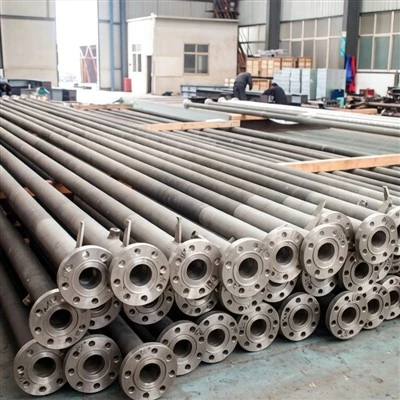
First off, let’s start with the basics: what a heating furnace does, for those new to the game. At its core, a furnace is a controlled chamber that generates and distributes heat at consistent, precise temperatures, whether that’s 200°F for curing paint or 2,500°F for melting steel. The key here is “controlled”—most industrial and commercial furnaces aren’t just blasting hot air into a room; they’re insulated, with temperature monitoring systems, airflow regulation, and even atmosphere control for sensitive materials. Now, let’s dive into the types, starting with the ones we work with most often here at the company.
Direct-Fired Heating Furnaces
Direct-fired furnaces are the workhorses of the industry, and they’re exactly what they sound like: the fuel (natural gas, propane, or sometimes even oil) burns directly inside the furnace chamber, mixing with the air that’s heating the material. I love these for their simplicity and low upfront cost, which is why we supply so many to small manufacturing shops and food processing businesses.
Wait, but hold on—there’s a catch, right? Because the combustion gases mix with the process air, direct-fired furnaces aren’t great for things that can be contaminated by exhaust. For example, you wouldn’t use one to heat pharmaceutical ingredients or bake commercial bread—so many bakers call us looking for alternatives because their dough picks up that gas smell if we recommend direct-fired. But where they shine is in applications where exhaust is harmless or even helpful: think of drying lumber for furniture, curing concrete blocks, or preheating metal parts before forging. We recently worked with a small lumber mill in Ohio that upgraded from old, inefficient direct-fired units to our high-efficiency models, and they cut their energy bills by 28% in the first six months. That’s the kind of win we live for.
Indirect-Fired Heating Furnaces
If direct-fired is the workhorse, indirect-fired is the safe, reliable cousin for sensitive materials. Instead of burning fuel directly in the process chamber, indirect furnaces have a heat exchanger between the combustion zone and the air that heats your product. The combustion gases stay separate, so the process air is clean—no exhaust, no fumes, nothing that will taint your material.
This is the go-to for food production, pharmaceuticals, aerospace components, and any application where purity matters. We’ve had a lot of calls from medical device manufacturers who need to sterilize surgical tools or cure polymer coatings that can’t have any chemical residue from combustion. The tradeoff? Indirect furnaces are a bit more expensive upfront, because of that heat exchanger, and they’re slightly less efficient than direct-fired, but the peace of mind is worth every penny. I remember a customer a few years back who tried to save money by going with a direct-fired furnace for their vitamin drying process—they ended up recalling a batch because the exhaust changed the flavor, and they had to scrap a whole load. They called us the next week for an indirect-fired unit, and we’ve worked with them ever since on all their heating needs. Lesson learned, right?
Batch Heating Furnaces
Now, if you’re producing items in small, separate runs instead of a continuous line, batch furnaces are your best bet. These furnaces load materials into a chamber, seal it, heat it to the desired temperature, hold it there for a set time, and then unload it once the process is done. They’re perfect for low-volume, high-variety projects—like custom metal fabrication, specialty ceramic work, or even small-batch baking for artisanal goods.
What I love about batch furnaces is their flexibility. We supply everything from compact bench-top batch furnaces for small workshops to large industrial units that can hold thousands of pounds of material at once. For example, a local ceramic artist here in Pennsylvania uses a small electric batch furnace to glaze and fire her unique mugs and vases—she can adjust the temperature and hold time for each new glaze formula, which would be impossible in a continuous unit. One tip I always give customers looking at batch furnaces: make sure to ask about the insulation. A well-insulated batch furnace will cool down faster when the cycle is done, which cuts down on waiting time between batches. We use high-density ceramic fiber insulation in all our batch models, so our customers get consistent heating and shorter turnaround between runs.
Continuous Heating Furnaces
On the flip side, if you’re running a 24/7 production line churning out hundreds or thousands of parts a day, continuous furnaces are built for speed and consistency. These furnaces have a long, chambered path where materials move through on a conveyor belt or a set of rollers, heating gradually as they go. The temperature zones are split up—so you have a preheat zone, a soak zone where the material holds at the target temperature, and a cool zone—all along the line.
Continuous furnaces are super efficient for mass production, because you don’t have to stop and load/unload batches every few hours. They’re used in everything from automotive parts manufacturing (preheating engine blocks, curing paint on car bodies) to steel production, where coils of steel move through the furnace to be annealed (softened for shaping) or coated. A big advantage here is that the heating is uniform across every part, since they move through at a set speed. We recently installed a continuous furnace for a car parts manufacturer in Detroit, and they told us their throughput went up by 40% because they eliminated the downtime from batch changes. The only downside? They’re less flexible for custom or small-batch work—if you only need 100 parts a month, a continuous furnace is probably overkill, but if you need 10,000, it’s exactly what you need.
Electric Heating Furnaces
Up until now, I’ve mentioned fuel-based furnaces, but electric furnaces are a whole category on their own, and they’re growing in popularity as energy costs and environmental concerns shift. Instead of burning gas or oil, electric furnaces use resistive heating elements—think of a toaster, but way bigger—to generate heat. They’re extremely precise, which is why they’re so common in labs and high-tech manufacturing.
Electric furnaces have no combustion, so they’re clean, easy to maintain, and perfect for applications where emissions are a concern. They also heat up faster than fuel-based furnaces, which is great for short-cycle jobs. The tradeoff is that electricity can be more expensive than gas or propane in some areas, so you have to do a quick cost analysis before choosing. We’ve seen a big rise in requests for electric furnaces from tech companies making semiconductors, where even tiny amounts of exhaust can ruin a whole wafer. We also supply small electric furnaces for colleges and trade schools for hands-on training, which is a win-win—students get to work with reliable, safe equipment, and schools don’t have to deal with fuel storage.
Specialized Heating Furnaces
Of course, there are some use cases that need something a little more niche, and that’s where specialized furnaces come in. Let’s talk about two of the most common: atmosphere-controlled furnaces and vacuum furnaces.
Atmosphere-controlled furnaces are exactly what they sound like—they let you adjust the gas inside the chamber, so you can control the chemical environment while heating. For example, if you’re heating metal that would oxidize (rust) at high temperatures, you can fill the chamber with nitrogen or argon to keep it inert. That’s used a lot in metalworking for heat treating parts like gears or bolts, where oxidation would weaken the metal.
Vacuum furnaces take this a step further—they pull all the air out of the chamber, creating a near-vacuum. This is essential for high-temperature processes where even small amounts of oxygen or nitrogen would react with the material, like melting titanium for aerospace parts or sintering (compacting and heating without melting) advanced ceramics. We work with a lot of aerospace clients who rely on vacuum furnaces to make parts that have to meet strict safety standards—even a tiny impurity can be a big risk at 30,000 feet.
Now, let’s get back to why I’m telling you all this. Choosing the right heating furnace isn’t just about picking the biggest or cheapest one—it’s about matching it to your specific process, your product, and your long-term needs. I’ve seen customers waste thousands of dollars on furnaces that don’t fit their needs, whether that’s a huge continuous unit for a small shop or a delicate electric furnace for heavy metal melting.
Here at [your company name], we don’t just sell furnaces—we help you figure out what you need. We start by asking questions: What are you heating? What temperature do you need? How many parts do you produce in a run? Do you have space for a big unit? Are you concerned about energy costs or emissions? We even offer on-site consultations if you’re local, because nothing beats seeing your space and your process in person.
Whether you’re a small bakery looking for an indirect-fired oven for baking large batches of bread, a metal fabricator needing batch furnaces for custom parts, or a tech company needing a vacuum furnace for semiconductors, we’ve got you covered. We carry all the types I talked about today, from compact bench-top units to large industrial systems, and we stand behind every product we sell with ongoing maintenance and support.

If you’re tired of guessing which furnace is right for your business, or you’re ready to upgrade from an old, inefficient unit that’s costing you money in energy and downtime, reach out to us for a free consultation. We’ll walk you through all your options, answer any questions you have, and help you find a solution that fits your budget and your needs—no sales pressure, just honest advice from a team that’s been in the heating furnace business for over a decade.
References
Metallurgical Equipment Perry, J. H. (Ed.). Perry’s Chemical Engineers’ Handbook (8th ed.). McGraw-Hill.
Ashby, M. F., & Jones, D. R. H. (2012). Engineering Materials 2: An Introduction to Microstructures, Processing and Design (3rd ed.). Butterworth-Heinemann.
Kreith, F., & Goswami, D. Y. (2007). Handbook of Energy Efficiency and Renewable Energy. CRC Press.
Jiangsu Dongfang Whole-Set Equipment Manufacturing Group Co., Ltd.
We are one of the most professional heating furnace manufacturers and suppliers in China, also support customized service. With abundant experience, we warmly welcome you to buy durable heating furnace from our factory. If you have any enquiry about pricelist, please feel free to email us.
Address: No. 9, Industrial Park, Xinqiao Town, Jingjiang City, Jiangsu Province
E-mail: dfctwm@163.com
WebSite: https://www.dongfangequip.com/
