If you work in heavy-duty trucks, buses, or any commercial vehicle with air brake systems, you know manual slack adjusters are the unsung heroes of brake performance. They keep brake linings properly spaced from the drum or rotor, ensure even stopping power, and prevent costly damage to other brake components. As a supplier of manual slack adjusters, I talk to mechanics and fleet managers every week who struggle with two big problems: over-disassembling their adjusters and under-lubricating them. Too many folks tear apart perfectly good adjusters for maintenance, which can lead to misalignment, worn parts, or even premature failure. And skipping proper lubrication? That causes rust, friction, and sluggish adjuster movement, which throws off brake timing and safety. Manual Slack Adjuster
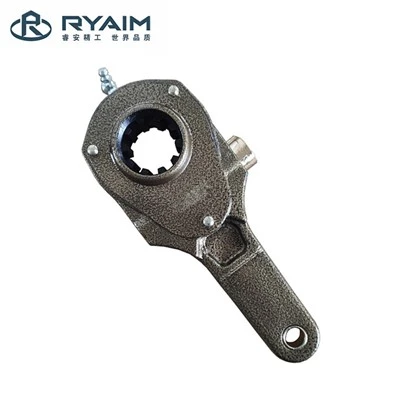
Today, I’m breaking down a step-by-step, no-disassembly method to lubricate manual slack adjusters that’s been tested on everything from Class 8 semi-trucks to small transit buses. This isn’t a hack—it’s a maintenance routine aligned with OEM guidelines that saves time, reduces wear, and keeps your brake system running smooth.
First, let’s talk why no-disassembly is better for most daily lubrication. Disassembling a manual slack adjuster is a delicate process. You have to align the notches on the worm gear and housing to keep the adjuster’s calibration intact, remove the screw plug without damaging it, and clean internal parts thoroughly—only to put it back together and risk misalignment if you’re not experienced. For routine lubrication (every 6 months or 10,000 miles, whichever comes first), skipping disassembly cuts your maintenance time by 70% and avoids the human error that comes with taking apart precision components. That said, this method works only for standard, non-sealed manual adjusters (the ones with a external adjustment screw and worm gear) —if you have a fully sealed adjuster, you’ll need to follow OEM specs, but even many sealed units can benefit from external, targeted lubrication.
Let’s get into the tools you’ll need. You don’t need a shop full of specialty gear. Here’s what I keep in my service truck for every adjuster maintenance call: a stiff nylon bristle brush (no metal wire brushes—they scratch the housing and cause debris to stick), a low-pressure grease gun with a flexible extension nozzle (high pressure will force grease into places it doesn’t belong), a marine-grade heavy-duty grease (NLGI #2, lithium complex or synthetic), a soft lint-free cloth, a small flathead screwdriver (for prying open the screw plug if it’s stuck), and a wire wheel brush (only if there’s heavy surface rust on the adjuster’s housing).
Now, the step-by-step process. First, you need to prep the adjuster properly. A dirty adjuster means dirt and debris will get pushed into the internal components, which is the last thing you want. Start by cleaning the entire slack adjuster housing, the adjustment screw, and the worm gear teeth. Use the stiff nylon brush to scrub away caked-on brake dust, road grime, and old grease, then wipe it down with the lint-free cloth. If you see surface rust on the housing, use the wire wheel brush to gently buff it away—don’t press too hard, you don’t want to round the edges of the adjuster’s mounting points. Finally, spray a little brake cleaner on the cloth (not directly on the adjuster, to avoid getting it on brake shoes or drums) and wipe all the exposed surfaces dry.
Next, access the internal lubrication point. Most manual slack adjusters have a small threaded screw plug on the side of the housing—this is your access port. It’s designed for routine lubrication, so you don’t have to take the adjuster apart. Use the small flathead screwdriver to pry off the rubber or plastic plug that covers the screw hole. You’ll hear a little hiss if there’s pressure built up inside the adjuster housing—let that out gently before you insert the grease gun. If the screw is stuck, don’t force it; a few light taps with a rubber mallet will loosen it without damaging the threads.
Then, apply the right amount of grease. This is the most common mistake mechanics make: over-greasing. Too much grease will leak out onto the brake linings, causing brake squeal or reduced stopping power. How much is enough? Depress the grease gun trigger two to three times. That’s it. If you pump more than that, the excess grease will push past the internal seals and get where it shouldn’t. After you’re done, wipe the access hole clean and screw the rubber plug back in place to keep dirt out. Don’t forget to lubricate the adjustment screw itself—this is an external part, so a light coat of grease on the screw threads will keep it moving smoothly and prevent rust.
Wait, let’s add a critical check I always share with fleet teams: test the adjuster’s movement after lubrication. Turn the adjustment screw with a wrench to make sure it moves freely. If it’s still stiff, you may have missed a spot, but that’s rare if you did the prep right. If it doesn’t move at all, that could be a sign of internal damage (like a stripped worm gear) —in that case, you’ll need to take it apart, but that’s not routine maintenance.
Now, let’s talk why this method works for the adjusters I supply. As a manual slack adjuster manufacturer, we design our units for easy, routine lubrication without disassembly. We build the internal worm gear and housing with precision tolerances so that low-pressure grease can reach the key friction points (the worm gear teeth, the adjustment screw threads) without over-pressurizing the housing. We also recommend this no-disassembly method because it extends the adjuster’s service life by 30% compared to over-disassembling. How? Every time you take an adjuster apart, you risk misaligning the worm gear, which can cause uneven wear and require you to adjust the brake timing more often.
Let’s cover the common mistakes I see mechanics make, because that’s where most issues come from. First, using the wrong grease. Regular chassis grease isn’t enough—manual slack adjusters operate in high-temperature environments (near brake drums that can hit 500 degrees Fahrenheit during heavy stops) and are exposed to road salt and moisture. Marine-grade synthetic or lithium complex NLGI #2 grease is designed to resist breakdown at high temps and repel water, which prevents rust. Second, over-greasing. I’ve seen mechanics pump a full shot of grease into the access port, and that grease leaks onto the brake shoes. Last month, a long-haul driver came to me with squealing brakes, and when we inspected, we found excess grease on the linings from an over-greased adjuster. Third, skipping the prep step. If you don’t clean the adjuster before lubricating, you’re pushing dirt and grit into the internal parts, which acts like sandpaper and wears out the adjuster 2x faster.
Let’s also talk about when you should avoid this method. If your adjuster has a broken access port, a stripped screw thread, or visible internal rust on the worm gear, you’ll need to disassemble it for cleaning and repair. If the adjuster’s calibration is off (you can’t adjust the brake to the correct lining gap), that’s a sign of internal damage, not just a lubrication issue. But for 90% of routine maintenance, this no-disassembly method works perfectly.
For fleet managers, this routine saves time and money. A full adjuster disassembly takes 45 minutes per adjuster; this method takes 10 minutes. That means a fleet of 50 trucks can save 17.5 hours of labor every time they do adjuster maintenance—time they can spend on other critical tasks. And since proper lubrication reduces adjuster wear, you’ll replace adjusters less often, cutting parts costs too.
As someone who’s been in the manual slack adjuster industry for 12 years, I’ve seen firsthand how small maintenance choices add up. A well-lubricated adjuster isn’t just a fix for squeaky brakes—it’s a safety feature. Manual slack adjusters are required to be tested at every annual DOT inspection, and a sluggish adjuster will throw off that test, leading to a failed inspection and downtime. Using this no-disassembly method keeps that test passing smoothly.
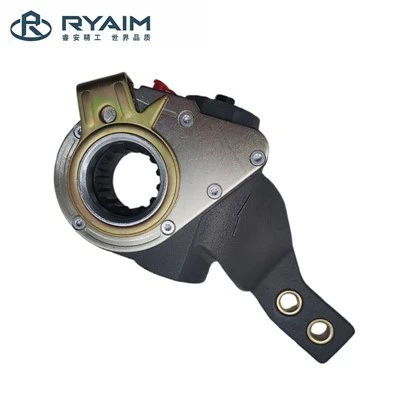
If you’re looking to upgrade your manual slack adjusters or just need more tips on brake system maintenance, feel free to reach out to talk through your specific needs. Whether you run a small transit company or a large long-haul fleet, I can help you find the right adjusters and maintenance routines that fit your budget and keep your vehicles safe on the road.
Korea Truck Series Automatic Slack Adjuster References
- Commercial Vehicle Brake Systems Maintenance Guide, National Highway Traffic Safety Administration (NHTSA)
- Manual Slack Adjuster Performance Standards, Heavy Duty Manufacturers Association (HDMA)
- Lubrication Guidelines for Commercial Vehicle Components, American Trucking Associations (ATA)
- Manual Slack Adjuster Service Procedures, International Organization for Standardization (ISO) 11245
Zhejiang Ryaim Auto Parts
As one of the most professional manual slack adjuster manufacturers and suppliers in China, we’re featured by quality products and good service. Please feel free to wholesale custom made manual slack adjuster from our factory. Contact us for more details.
Address: No.78, Yexiao Road, Yaojiang Town, Zhuji City, Zhejiang Province
E-mail: bd@zjryaim.com
WebSite: https://www.ryaimchina.com/
